


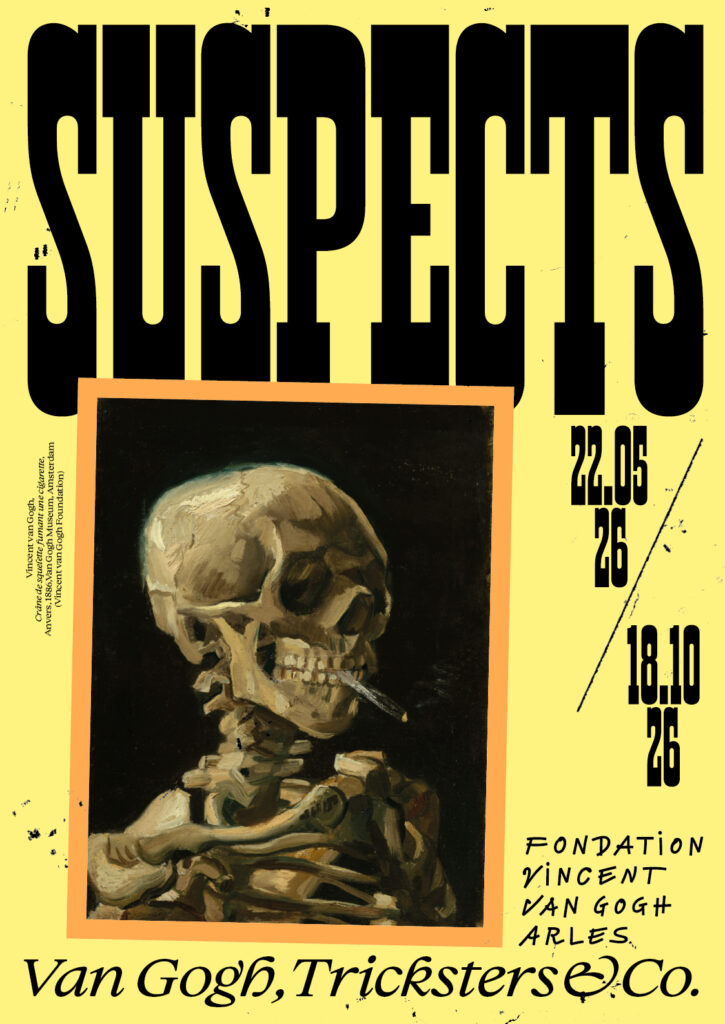
S U S P E C T S
Van Gogh, Tricksters & Co.
‘Without wishing to, I’ve more or less become some sort of impossible and suspect character in the family […]’.1
*
‘It tempts me so much — not the drink, but rogue painting.’2
Vincent van Gogh, Letters to Theo
This summer, the Fondation Vincent van Gogh Arles presents “SUSPECTS – Van Gogh, Tricksters & Co.”, an exhibition devoted to artists who, following Vincent van Gogh, have chosen dissidence over conformity and excess over restraint.
Inspired by the anthropological figure of the ‘trickster’ — a mocking and subversive character found in the myths of every civilisation — the exhibition brings together the works of 33 disruptive artists. Through their work, art is allowed to fulfil one of its primary functions in our modern society: to destabilize convictions, to reconsider what seems to be received knowledge, to broaden our awareness, and to shatter conventions. Such an attitude, as it has persisted from the late twentieth century to the present day, is at the heart of this exhibition.
Exhibition curators: Jean de Loisy and Margaux Bonopera
(1) Cuesmes, between Tuesday 22 and Thursday 24 June 1880
(2) Arles, 15 August 1888
Artists exhibited:
Leigh Bowery, Anna Byskov, Ellen Cantor, Luciano Castelli, Maurizio Cattelan, Nina Childress, Lucien Clergue, Mathis Collins, Clément Courgeon, dit Triboulet, Gino de Dominicis, Cerith Wyn Evans, Robert Filliou, Fergus Greer, Cameron Jamie, Mike Kelley, Martin Kippenberger, Nick Knight, Arnaud Labelle-Rojoux, Maria Lassnig, Mire Lee, Jacques Lizène, Sarah Lucas, Urs Lüthi, Christopher Makos, Pierre Molinier, Bruce Nauman, Philippe Perrot, Pablo Picasso, Salomé, Cindy Sherman, Walter Swennen, Andy Warhol & Vincent van Gogh
Exhibition presentation
Modern art was partially born in a climate of dissent as artists, from bohemia to the Dada movement, broke with the rules of polite society. Some transgressive artists chose to stray from the straight and narrow, becoming underdogs, outlaws, and ruffians and reigniting endless chaos. In so doing, they allowed art to fulfill one of its primary functions in our modern society: to destabilize convictions, to reconsider what seems to be received knowledge, to broaden our awareness, and to shatter conventions. Such an attitude, as it has persisted from the late twentieth century to the present day, is at the heart of this exhibition.
Vincent van Gogh
who wrote to his friend Emile Bernard in 1888 that he ‘[…] deeply despise[d] rules, institutions, &c., in short [that he was] looking for something other than dogmas […]’,. was determined to renew the possibilities of what art could be. He managed to do it; in the span of only ten years, he ignited the future.
In 1947, Antonin Artaud understood the impact of his work. ‘No, Van Gogh was not mad’, he wrote, ‘but his paintings were bursts of Greek fire, atomic bombs whose angle of vision, in distinction to all the other paintings existing at the time, would have been capable of seriously upsetting the grub-like conformity of the Second Empire bourgeoisie and of the police spies of Thiers, Gambetta, F.lix Faure, as well as those of Napoléon III.’3
SUSPECTS – Van Gogh, tricksters & Co.
draws inspiration from the behaviour of those great disruptors known to anthropologists as ‘tricksters’. Found in the myths of every civilisation, these cunning jesters, scoundrels, or mocking wits serve to release the community from suffocating convention and to challenge accepted truths.
The exhibition thus highlights the audacity of artists who, after Vincent van Gogh and up to the present day, have chosen dissidence over conformity and excess over restraint. Whether transgressors, acerbic dissenters, provocateurs, or outcasts, their work bears witness to a spirit of freedom and insolence – though a bitterness that is more poetic than parodic sometimes lurks behind it.
The Artists
Among the artists, Pablo Picasso⁴ (1881-1973) whose alter ego, Harlequin, a marginal popular figure, descendent of the clown, appears numerous times in the exhibition – as interpreted by himself or by artists as diverse as Robert Filliou (1926-1987), Cindy Sherman (b. 1954) and Bruce Nauman (b. 1941).
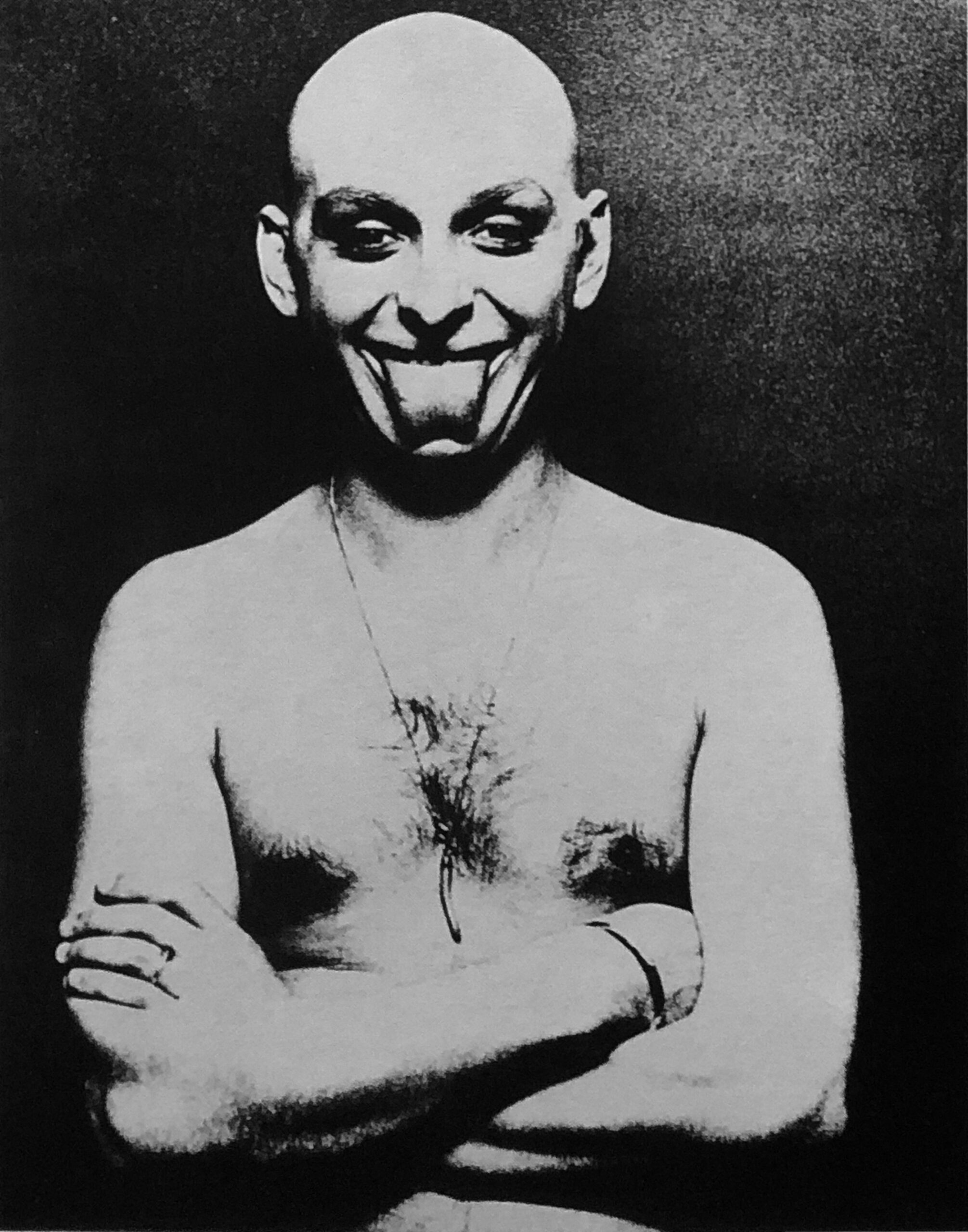
But there are other touching fools as well, such as Urs Lüthi (b. 1947), Jacques Lizène (1946-2021) and Nina Childress (b. 1961), cunning grifters such as Maurizio Catellan (b. 1960) and Martin Kippenberger (1953-1997), and sly dark angels like Luciano Castelli (b. 1951) or Leigh Bowery (1961-1994).
Grotesquerie and self-mockery are part of these strategies of destabilization, as we discover in the work of Mathis Collins (b. 1989), or Clément Courgeon, alias Triboulet (b. 1997), who battles it out with a broom, Anna Byskov (b. 1984), who tries to climb a paper staircase, or Walter Swennen (1946-2025), whose paintings become staged, absurd battles.
While we may also see some of these artists as advocates of violence, such as Cameron Jamie (b. 1969) or Ellen Cantor (1961-2013), they are above all, rather, its rebellious victims – as can be understood in the work of Mike Kelley (1954-2012), Maria Lassnig (1919-2014) or Philippe Perrot (1967-2015). As the work of Mire Lee (b. 1981) tells us, willfully looking at what we normally repress allows us to revive the world’s vital impulses. This is indeed what Van Gogh was able to do, and what Antonin Artaud summarized thus:
‘This means that an apocalypse, a finished apocalypse, is smouldering at this very hour in the canvases of martyred old Van Gogh, and that the earth needs him in order to lash out with its head and feet.’⁵
__
1. Letter from Vincent van Gogh to Theo van Gogh, Cuesmes, between Tuesday 22 and Thrusday 24 June 1880.
2. Letter from Vincent van Gogh to Theo van Gogh, Arles, August 15, 1888.
3. Antonin Artaud, ‘Van Gogh: The Suicide Provoked by Society’, trans. by Peter Watson, Horizon, 17.97 (1948), 46–67.
4. Pablo Picasso donated fifty-six works to the Mus.e R.attu in Arles in 1971. Many of them feature the figure of Harlequin, who was, like the Minotaur, his alter ego. An excellent article by art historian Yve-Alain Bois entitled ‘Picasso le trickster’ (Les Cahiers du musée national d’art moderne 106, winter 2008/2009, 2008) discusses this. The date of this gift is being taken as the beginning of the historical period under consideration in the exhibition, which continues up until the present day.
5. Antonin Artaud, ‘Van Gogh: The Man Suicided by Society’, in Susan Sontag (ed), Antonin Artaud: Selected Writings, trans. Helen Weaver (New York: Farrar, Straus and Giroux 1976) 507.
Image gallery
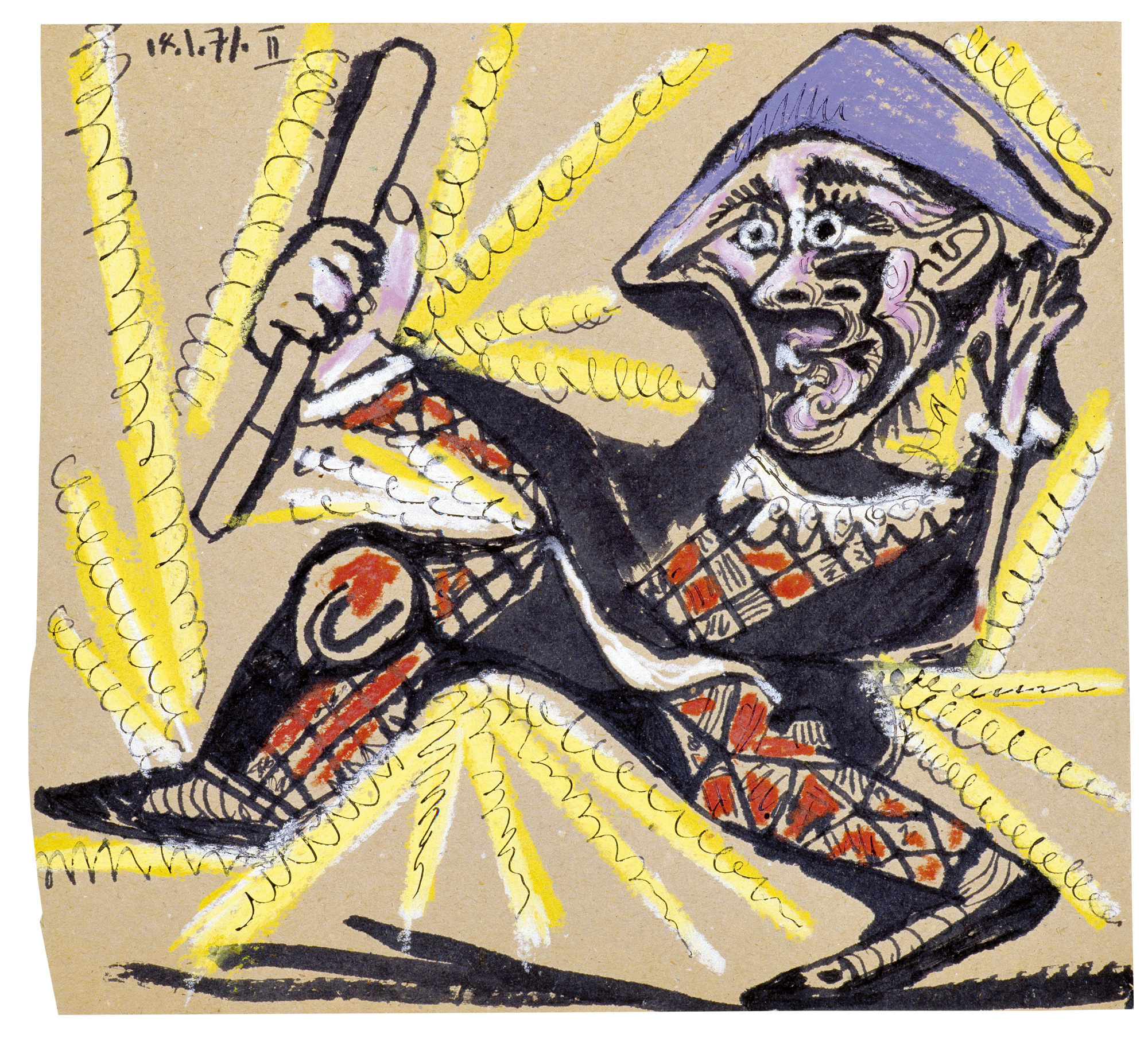
Pablo Picasso (1881-1973) Arlequin, 14 janvier 1971 Encre de Chine, lavis et craie de couleur sur carton, 22,1 × 24,6 cm Don de l’artiste en 1971 Collection Musée Réattu, Arles © Succession Picasso 2026
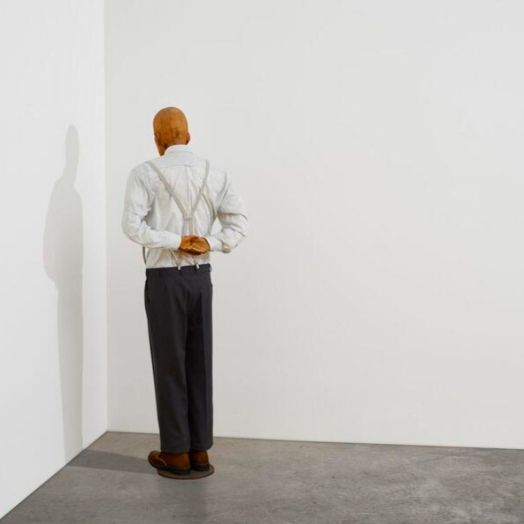
Martin Kippenberger (1953-1997) Martin ab in die eckeund schäm dich (Martin, va au coin et honte sur toi), 1989 Bois, métal, styromousse, caoutchouc mousse, fer et vêtements, 178,8 × 66 × 35,9 cm Pinault Collection © Estate of Martin Kippenberger, Galerie Gisela Capitain, Cologne Photo : © Nicolas Brasseur
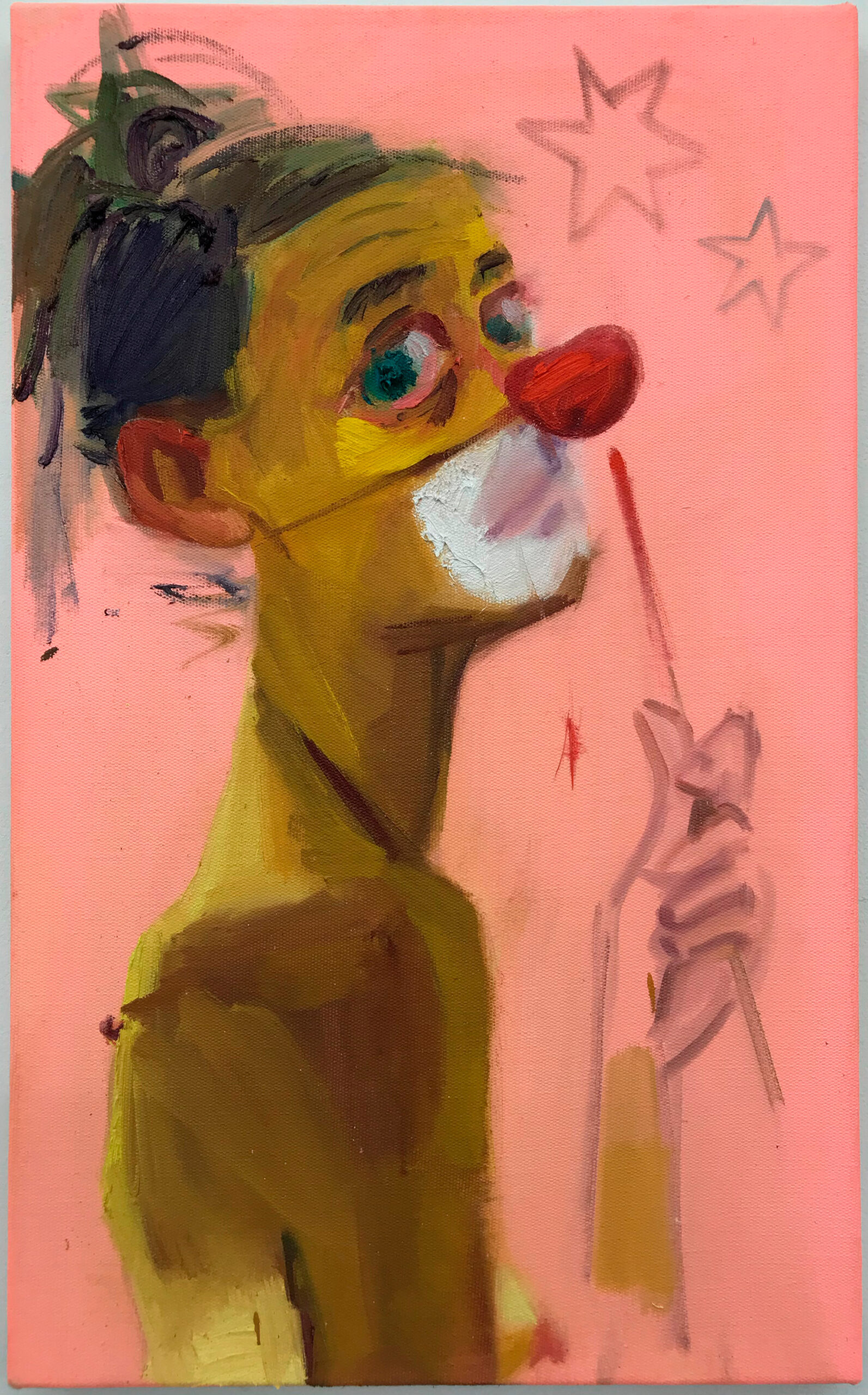
Nina Childress (* 1961) Autopotrait clown/étoile, 2020 Huile et poils de pinceau sur toile, 61 × 38 cm Raoul et Melvina Salomon Courtesy : Nina Childress et Art : Concept Paris © Nina Childress, / Adagp, Paris, 2026
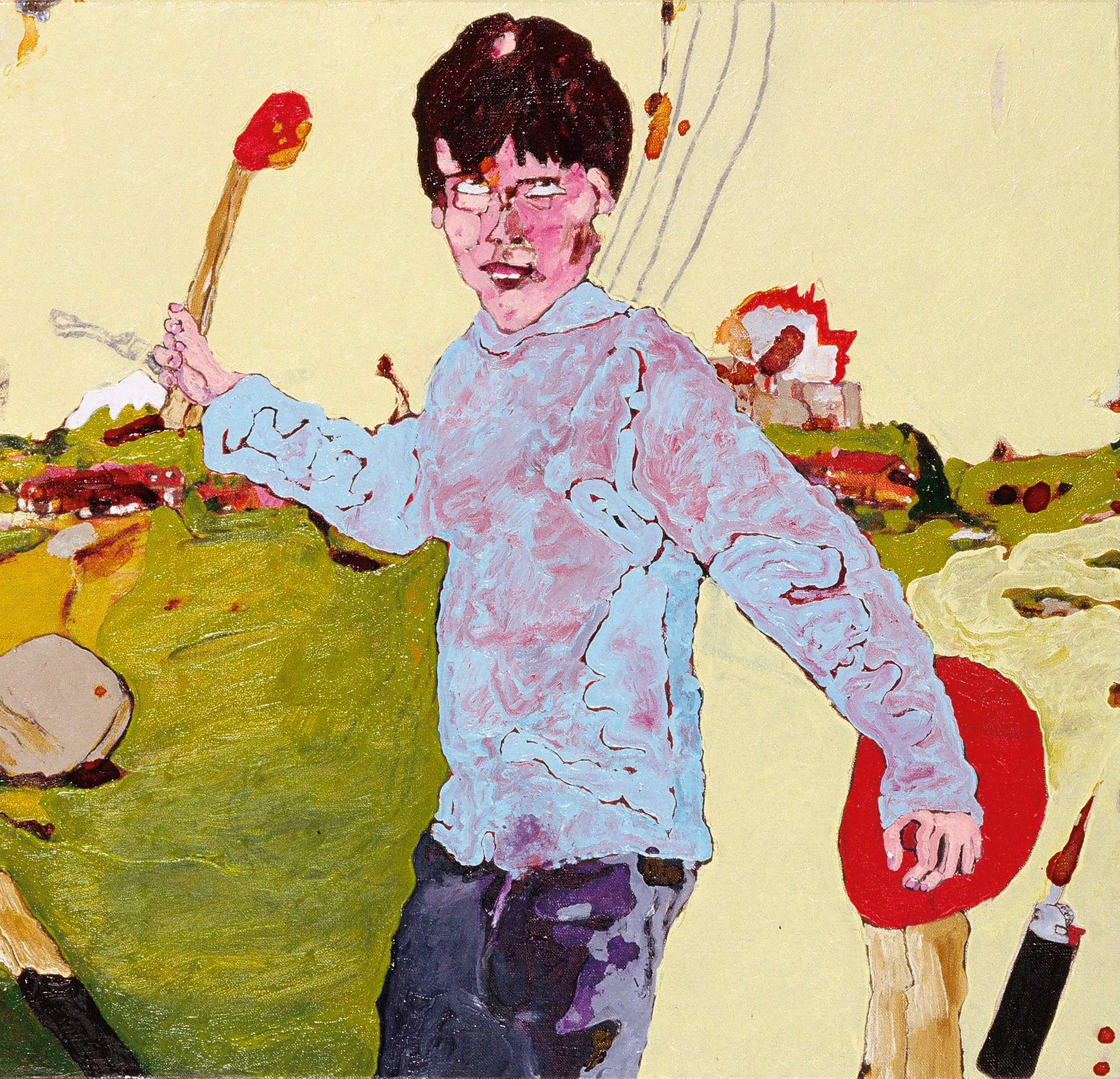
Philippe Perrot (1967-2015) La Fête des pères, 2003 Peinture à l’huile et antiseptiques sur toile, 50 × 100 cm Collection privée Courtesy : Succession de l’artiste et Art : Concept, Paris Photo : Art : Concept © Philippe Perrot
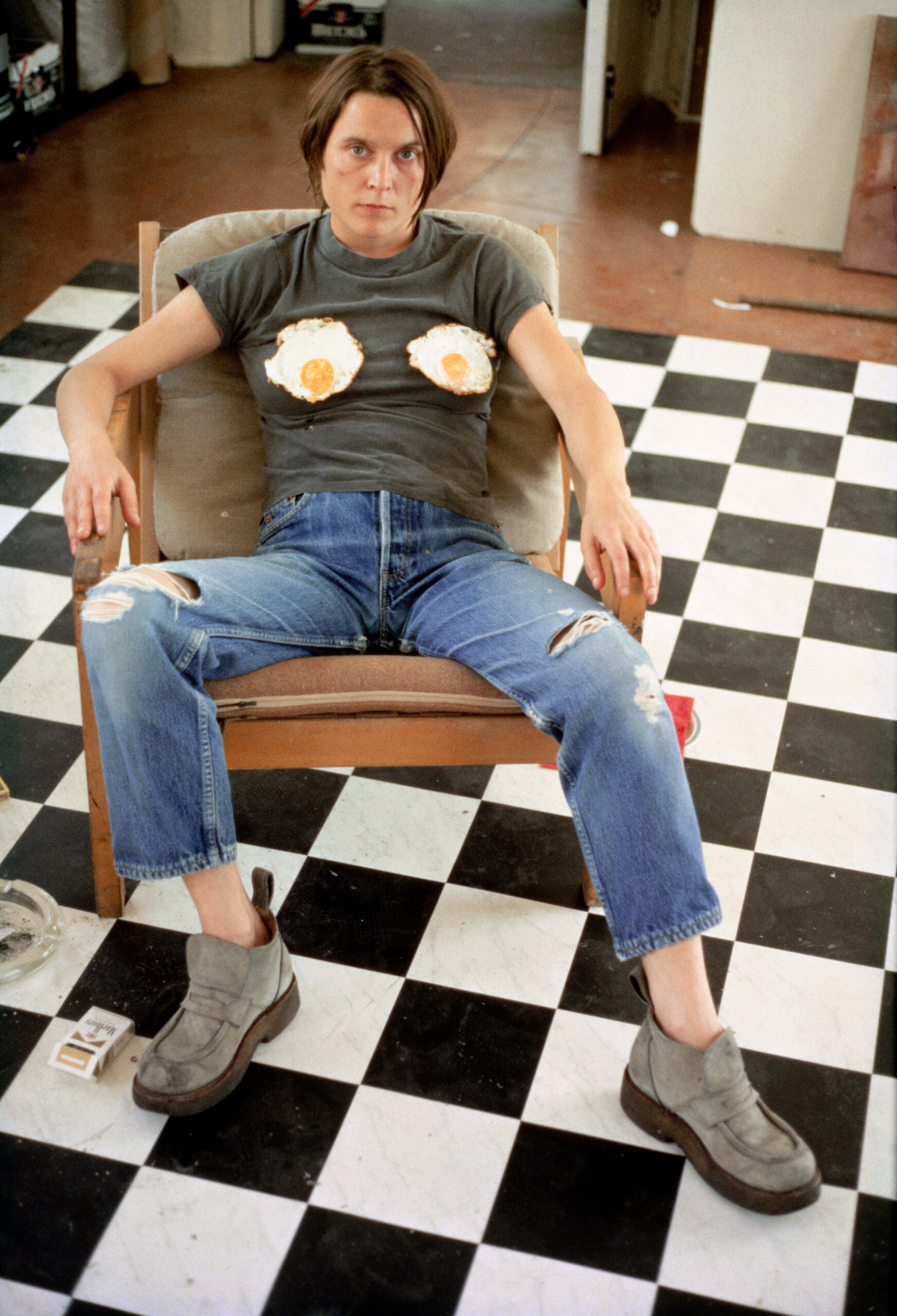
Sarah Lucas (* 1962) Self-Portrait with Fried Eggs (Autoportrait avec œufs au plat), 1996 C-print, 154,5 × 106,3 × 6 cm (encadré) Courtesy : Sadie Coles, Royaume-Uni © Sarah Lucas. Courtesy Sadie Coles HQ, London. Photo : Angus Fairhurst
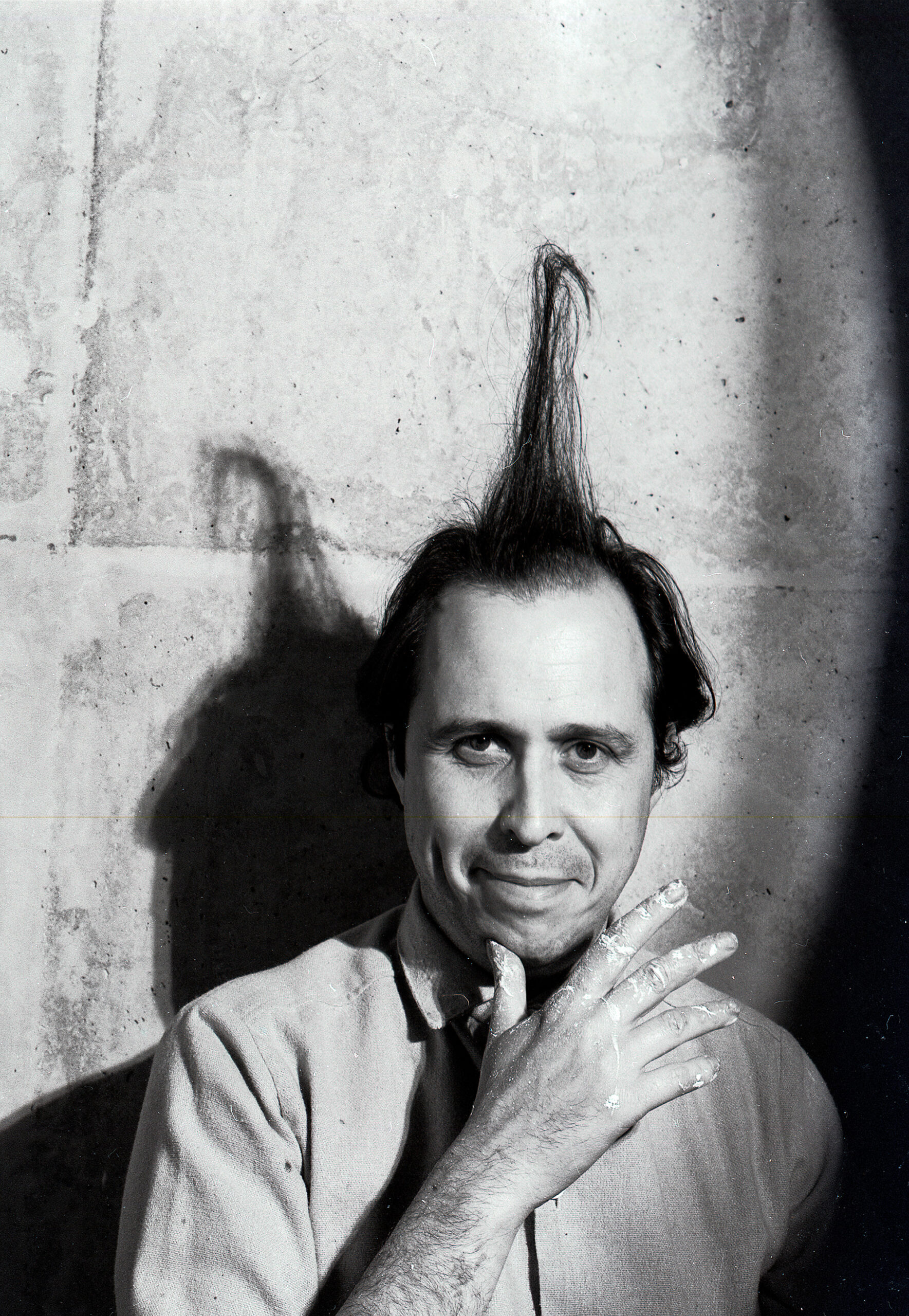
Jacques Lizène (1946-2021) Petit Maître à la fontaine de cheveux (photographié par Pierre Houcmant), 1980 Photographie noir et blanc, tirage numérique, 110 × 90 cm Courtesy : Galerie Nadja Vilenne, Liège © Adagp, Paris, 2026
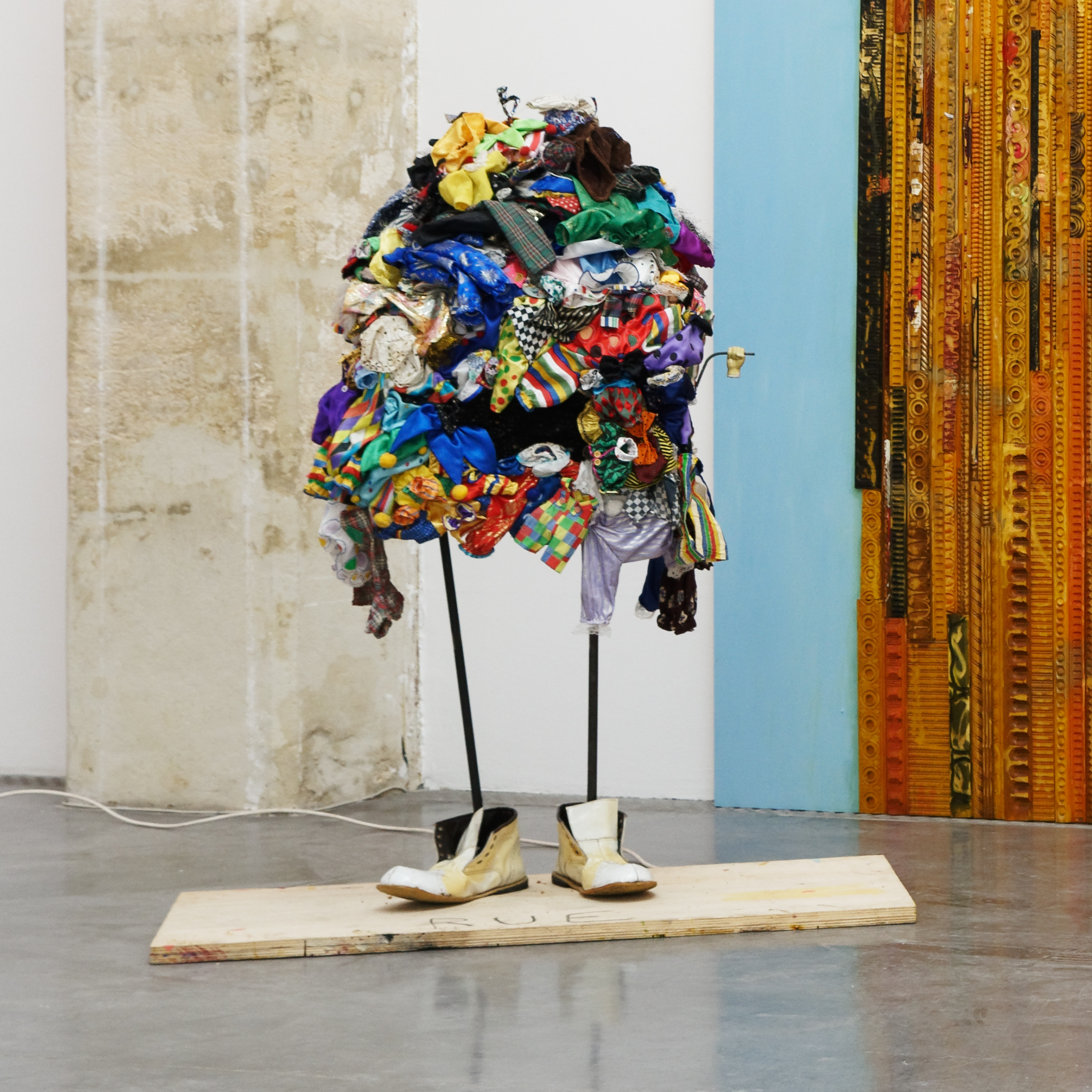
Mathis Collins (* 1986) Le Chant public, 2023-2025 (détail) Bois, acrylique, orgue de Barbarie digitale et automate, 8 panneaux de bois : 250 × 490 cm ; sculpture : 112 × 125 × 60 cm Collection du Fonds régional d'art contemporain Occitanie Montpellier © Mathis Collins / Galerie Crèvecoeur Photo : Christian Perez
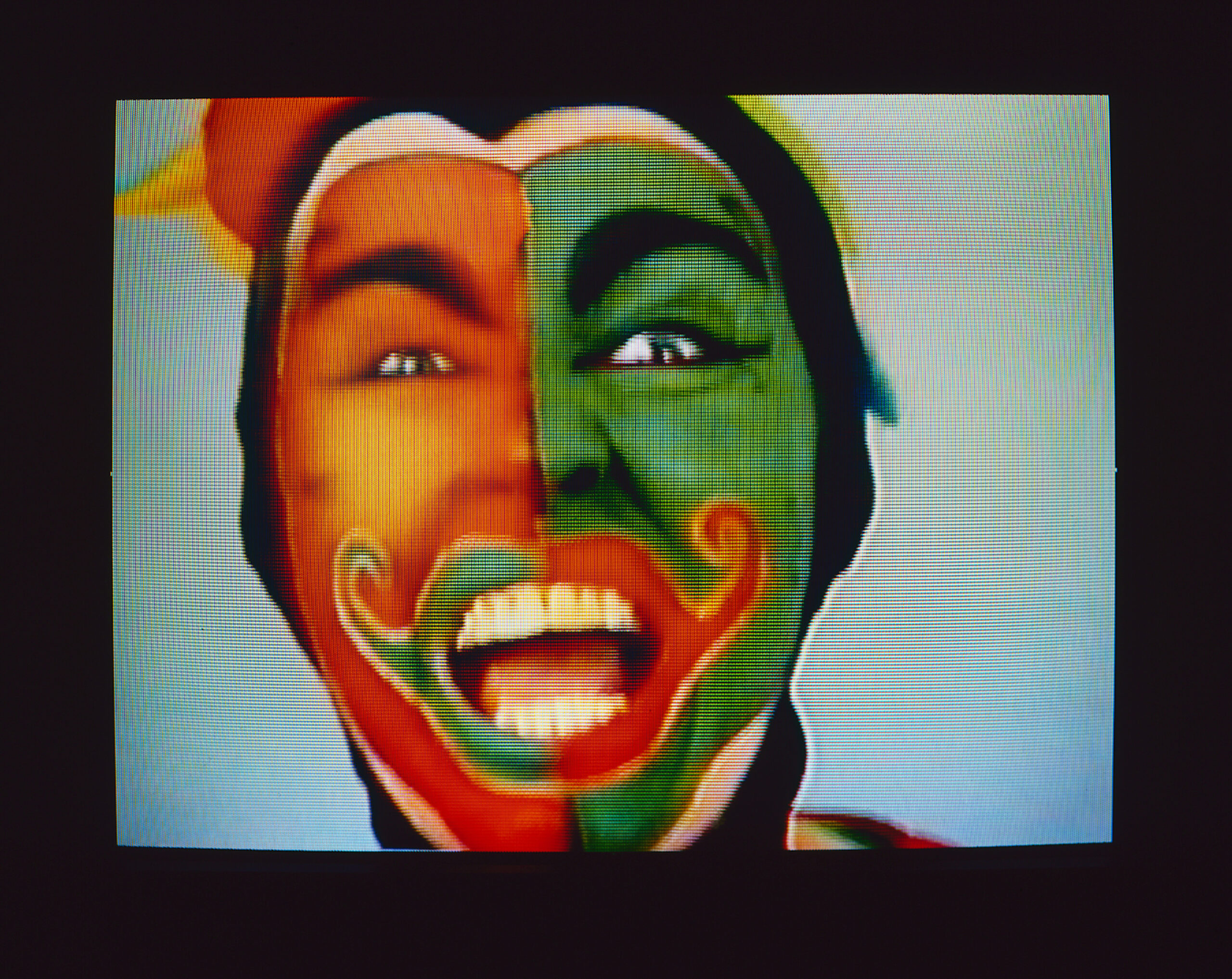
Bruce Nauman (* 1941) Clown Torture (I’m Sorry et No, No, No), 1987 Installation de deux vidéos, 60 min 2 s et 95 min 57 s Pinault Collection © Bruce Nauman / Adagp, Paris, 2026
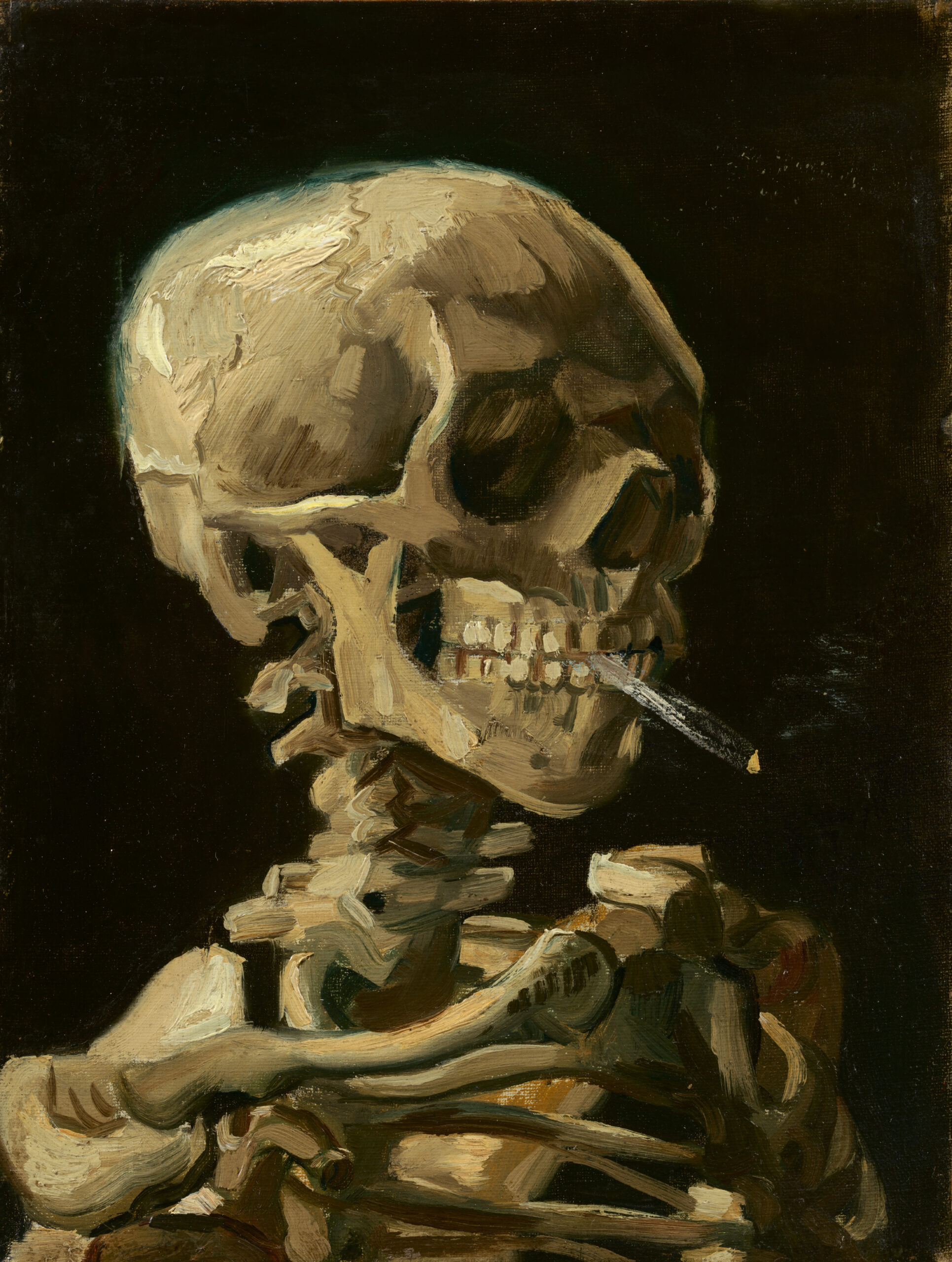
Vincent van Gogh (1853-1890) Crâne de squelette fumant une cigarette, Anvers, janvier-février 1886 Huile sur toile, 32,3 × 24,8 cm Van Gogh Museum, Amsterdam (Vincent van Gogh Foundation)