


To Vincent: A Winter's Tale
EXHIBITION : to Vincent: a Winter’s Tale
Inspired by Vincent’s correspondence, 21 modern and contemporary artists take up the themes he addressed and present their works to him as if they were letters.
In doing so, they fulfill Van Gogh’s wish to be “a link in the chain of artists1.”
with:
Harold Ancart, Jacopo Benassi, Martin Boyce, James Castle, Louise Chennevière, Gérard Collin-Thiébaut, Rineke Dijkstra, Simone Fattal, Gustave Fayet, Dominique Ferrat, Joseph Grigely, Nathanaëlle Herbelin, Isidore Isou, Ann Veronica Janssens, Hans Josephsohn, Anselm Kiefer, Mark Manders, Sylvain Prudhomme, Louise Sartor, Wolfgang Tillmans, Rico Weber
& Vincent van Gogh
Curators:
Jean de Loisy and Margaux Bonopera
1.Vincent van Gogh, letter to Theo, around 20 May 1888, Arles
Exhibition presentation
Van Gogh’s time in Provence, from his arrival in snow-covered Arles in February 1888 to his departure from Saint-Rémy-de-Provence twenty-seven months later, seems both novelistic and tragic. His dazzling painting, the significant development of his correspondence, his yellow house, Gauguin’s visit, his mutilated ear, his bouts of depression, all fuel the legend of this artist, adding up to a true winter’s tale.
Beyond the myth, however, lie both the actual work of the Dutch master, which flourished during this period, and his letters, which served as a real testing ground for his thoughts on art. His work acquired such depth in Provence that it continues to inspire creatives the world over to this day, solidifying Vincent’s place as a “link in the chain of artists.”1
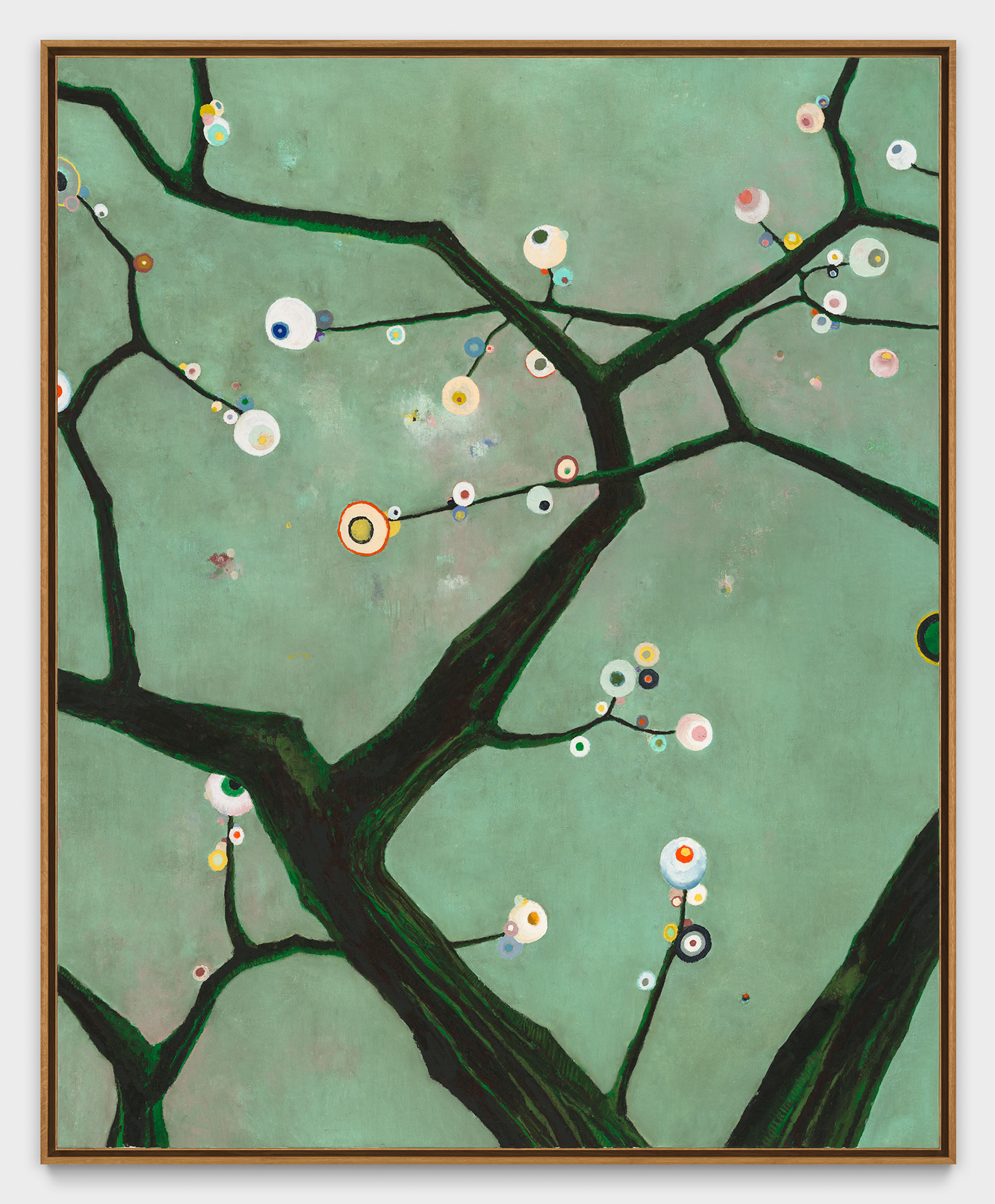
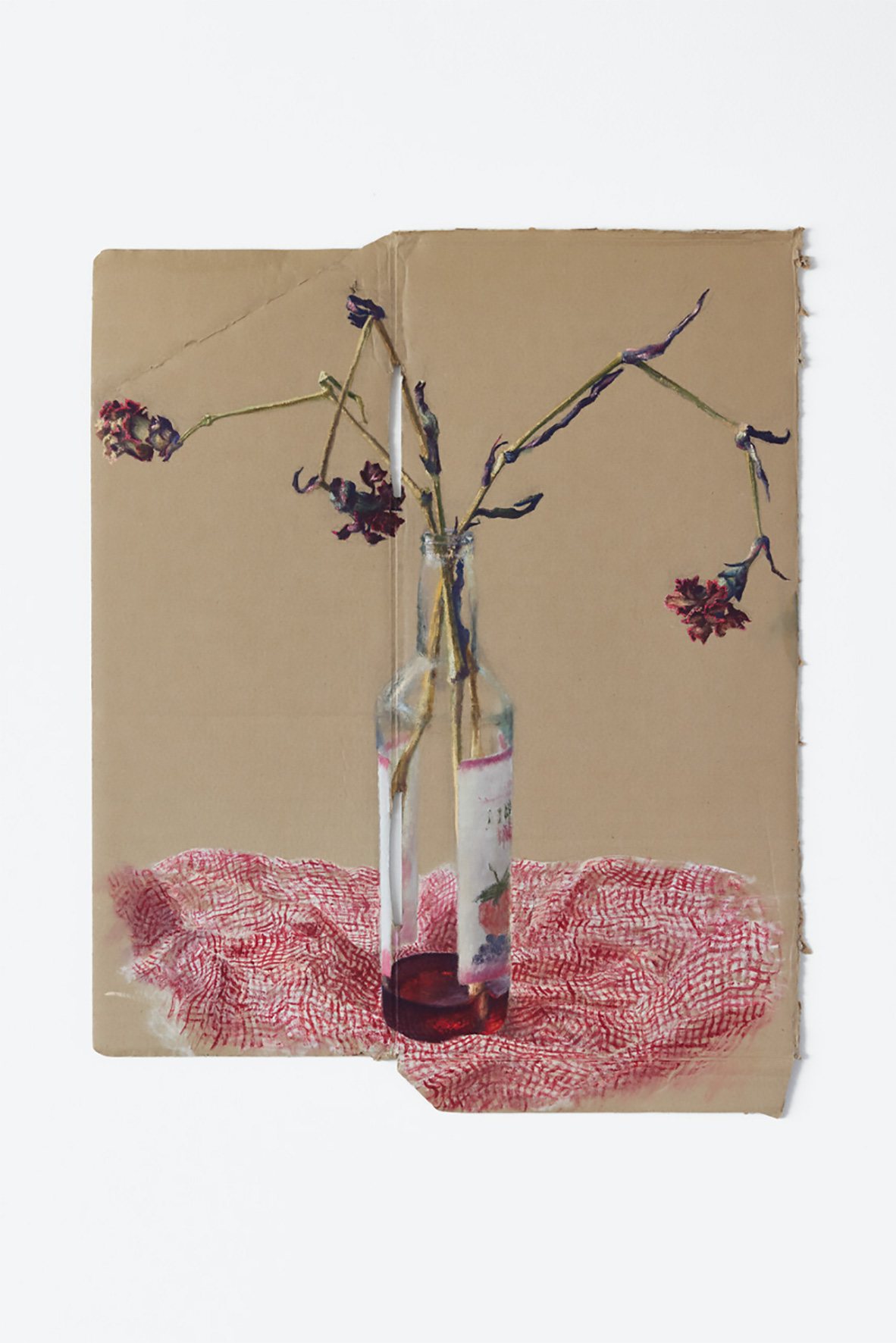
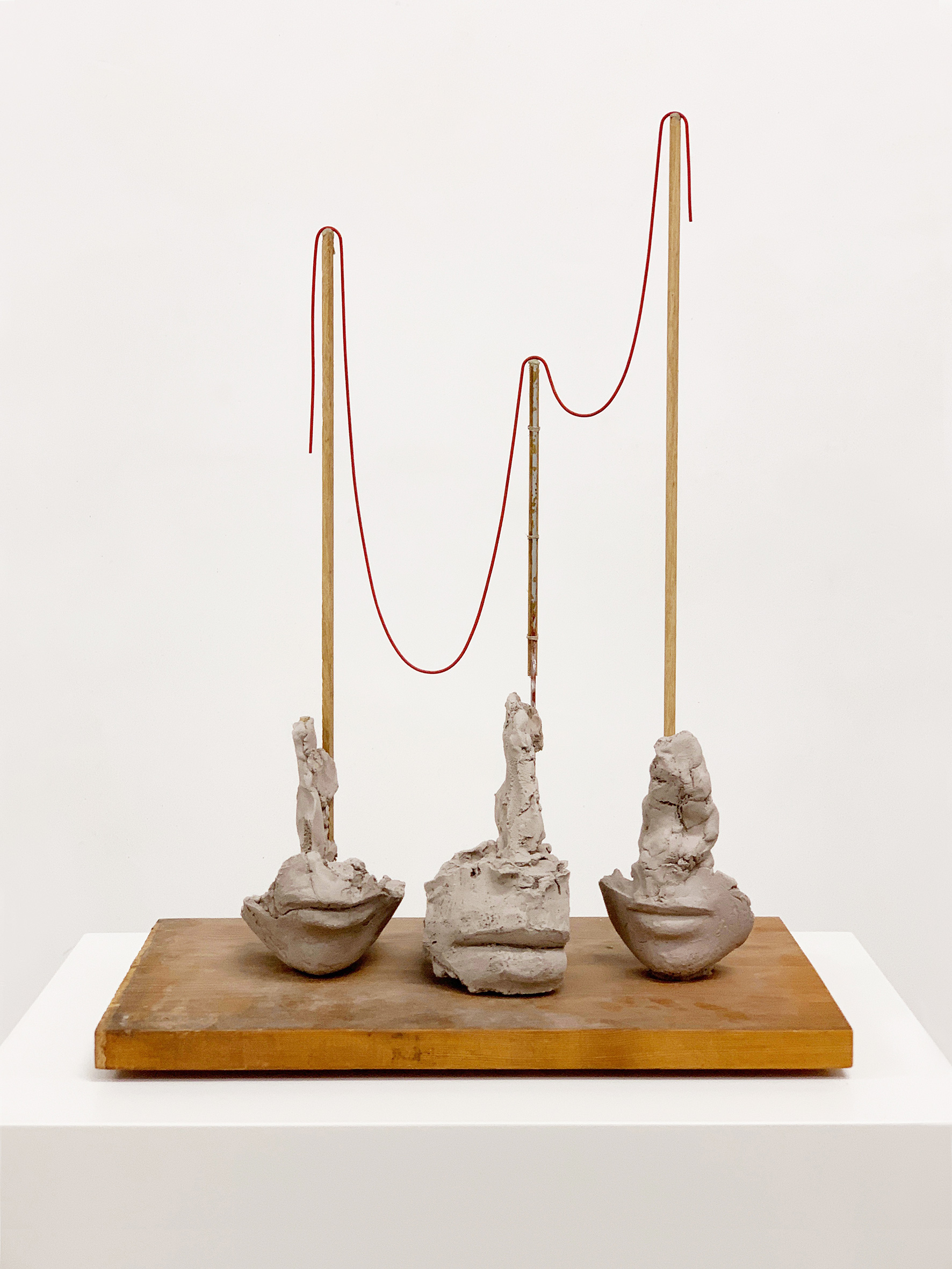
At the heart of the exhibition To Vincent: A Winter’s Tale are the artists who bear witness to Van Gogh’s ongoing relevance, and the artworks they have chosen to exhibit serve as letters addressed to him. Using a variety of mediums, styles, and techniques, these artists explore and reflect upon the ideas expressed in the painter’s correspondence – whether related to landscape, light, portraiture, friendship, or solitude. Together, their responses tell a tale of their own.
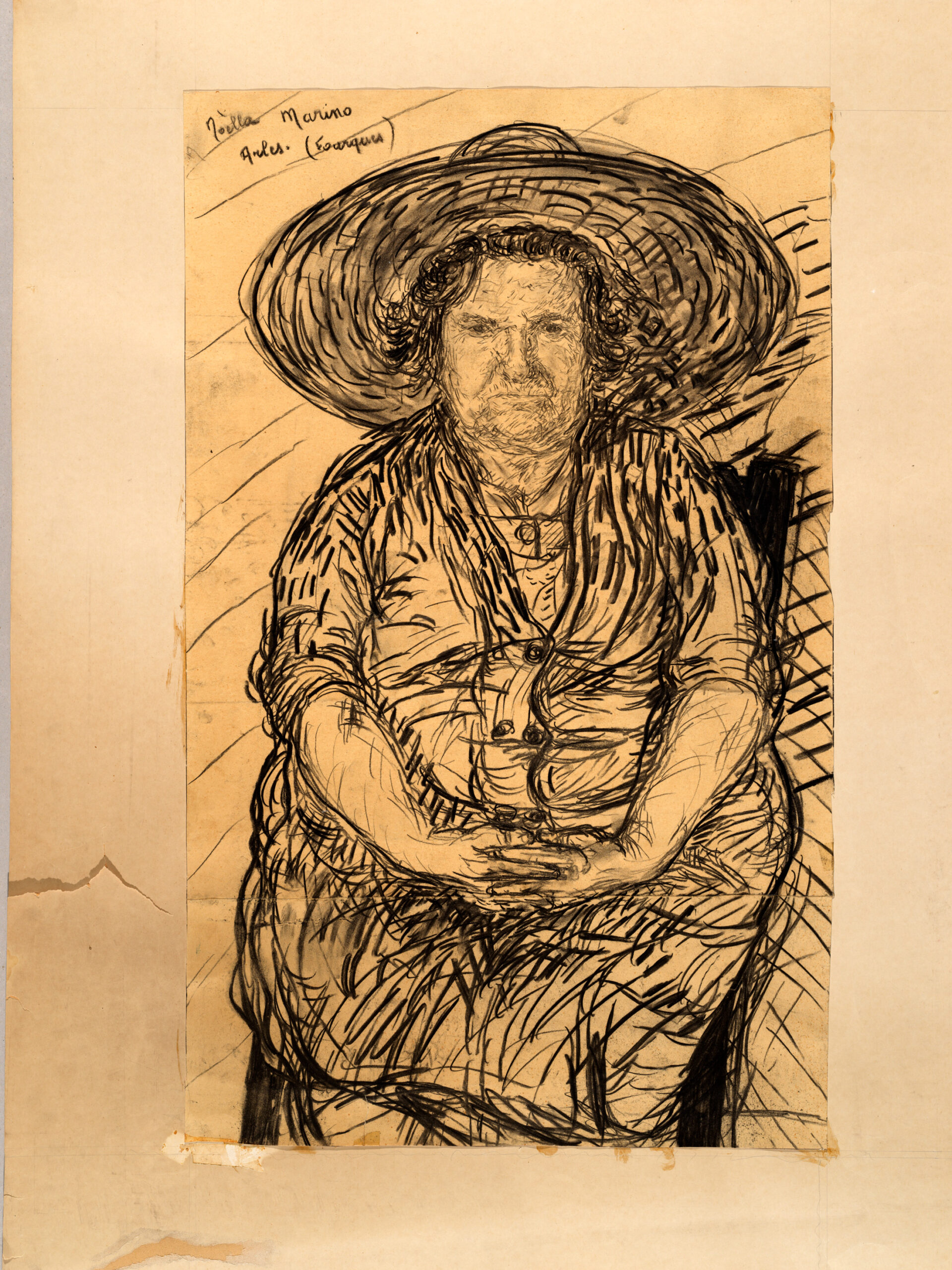
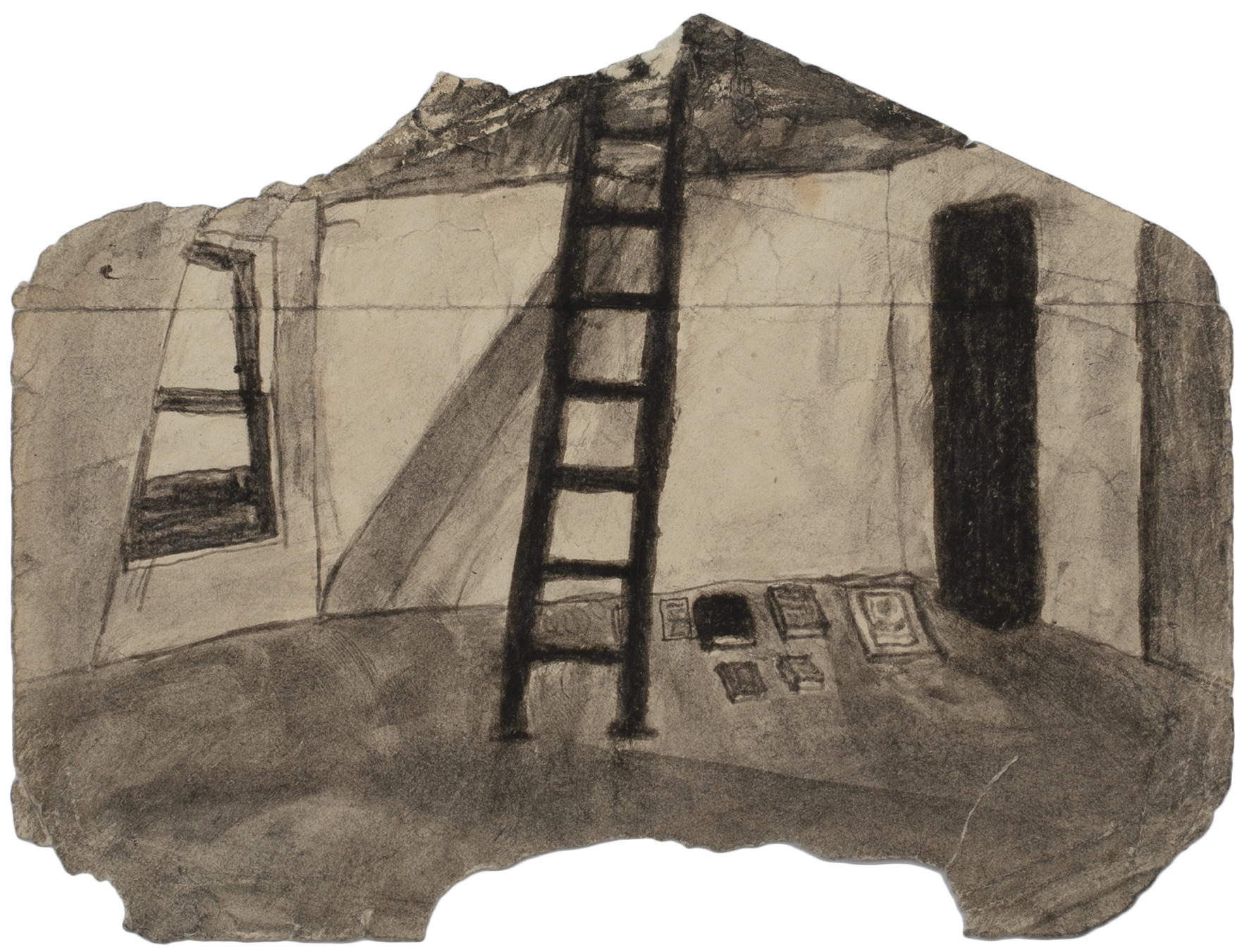
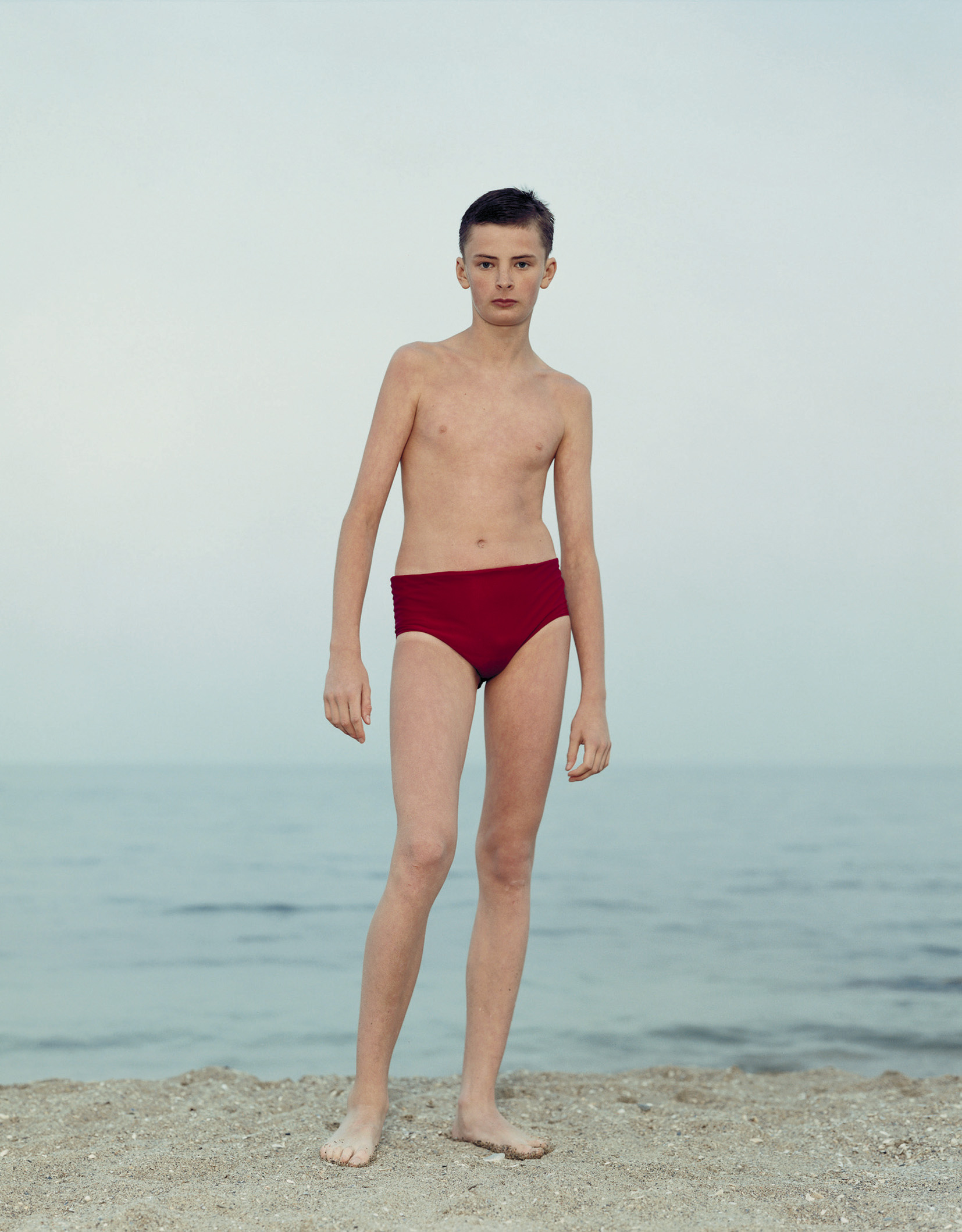
The exhibition presents the work of twenty-two artists from different generations. Some of them are not very well known – such as Dominique Ferrat (born 1954), who has pursued her work outside of the public eye for more than four decades, or James Castle (1899-1977), who has often been associated with outsider art in America. Others, whose areas of interest resonate with Vincent’s own, are established figures in contemporary art: Harold Ancart (born 1980), Rineke Dijkstra (born 1959), Joseph Grigely (born 1956), Nathanaëlle Herbelin (born 1989), Ann Veronica Janssens (born 1956), Mark Manders (born 1968), Wolfgang Tillmans (born 1968), and Anselm Kiefer (born 1945), who is presenting drawings he made in Provence at the age of seventeen, during a trip he made to follow in the footsteps of Van Gogh.
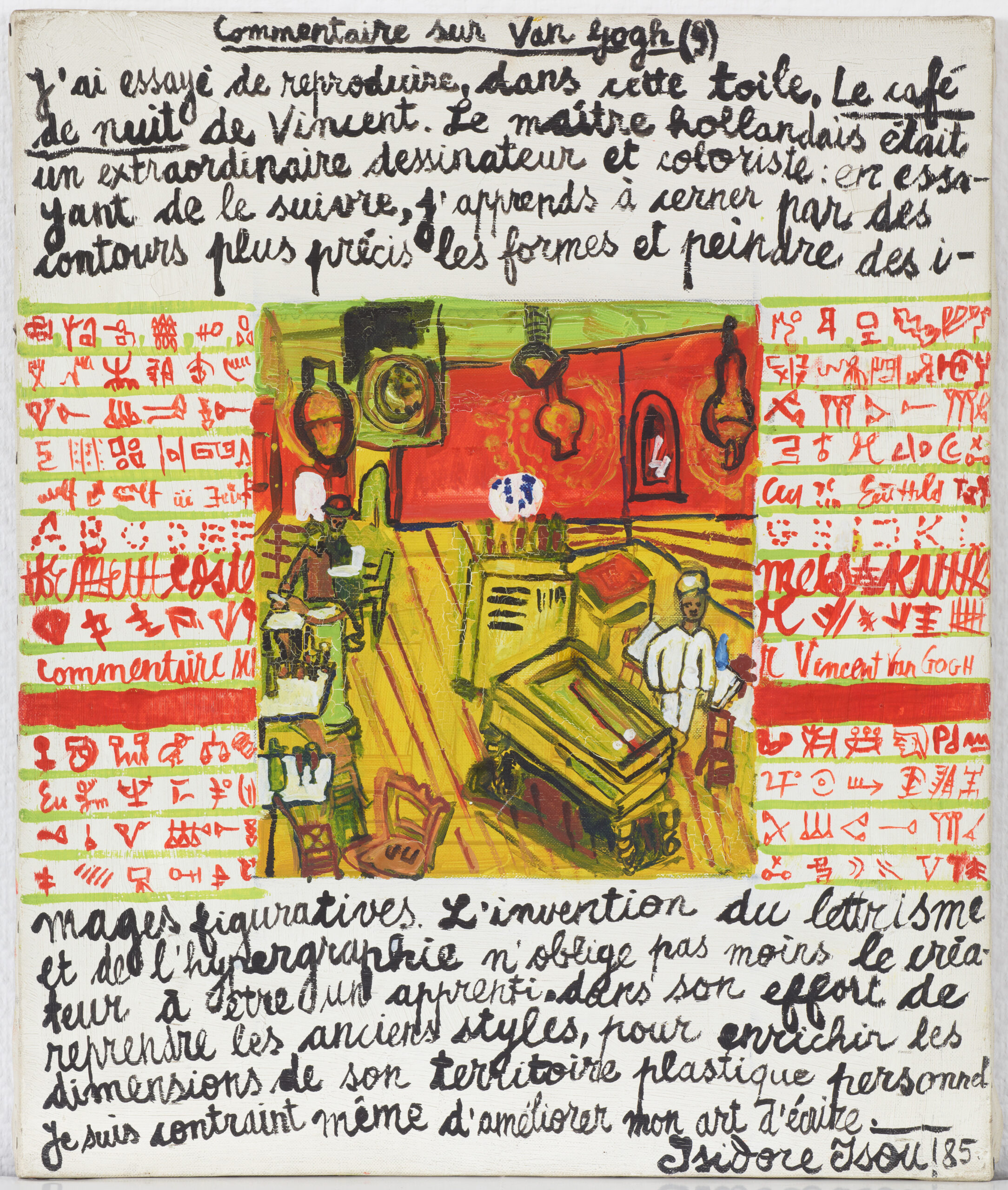
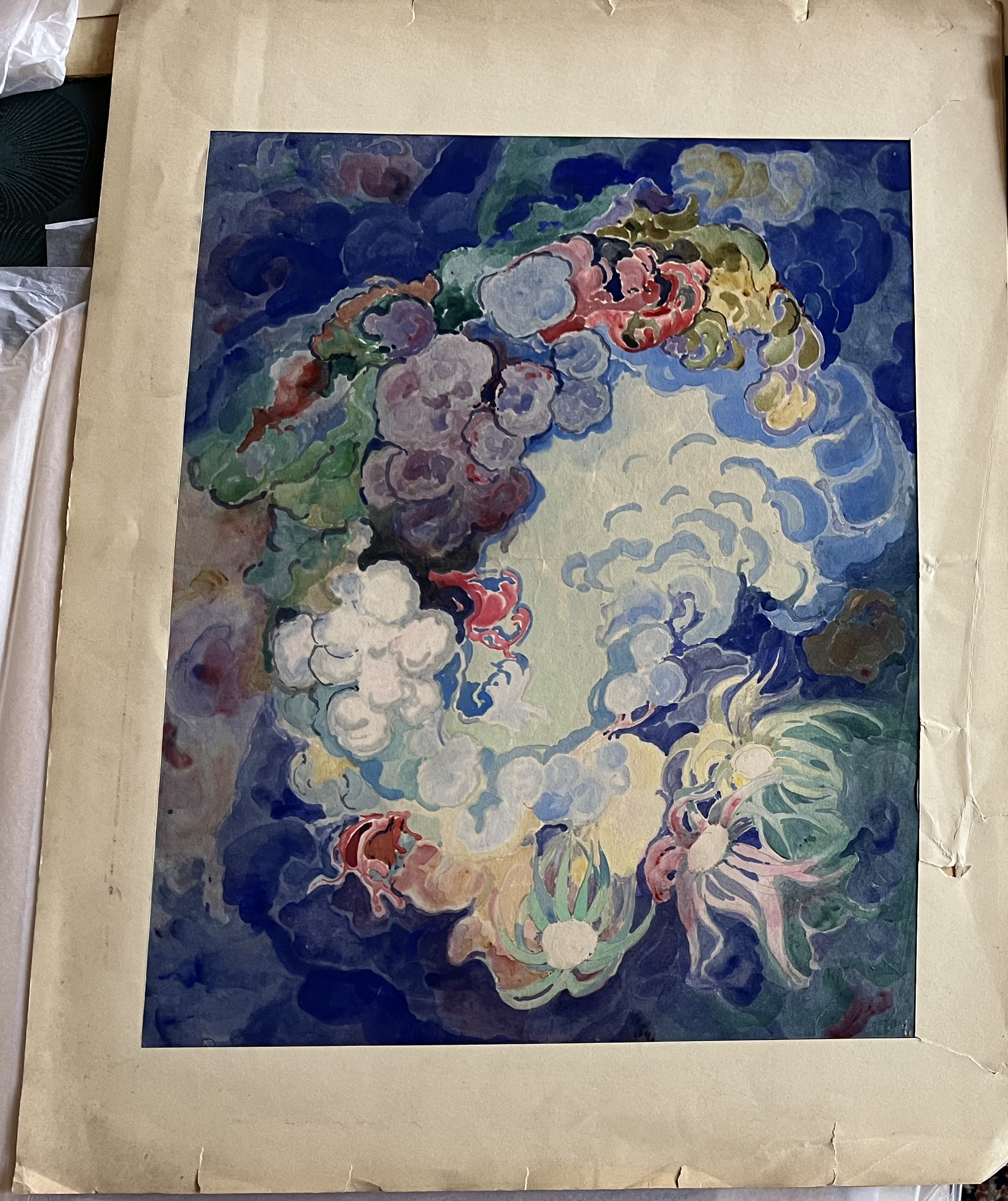
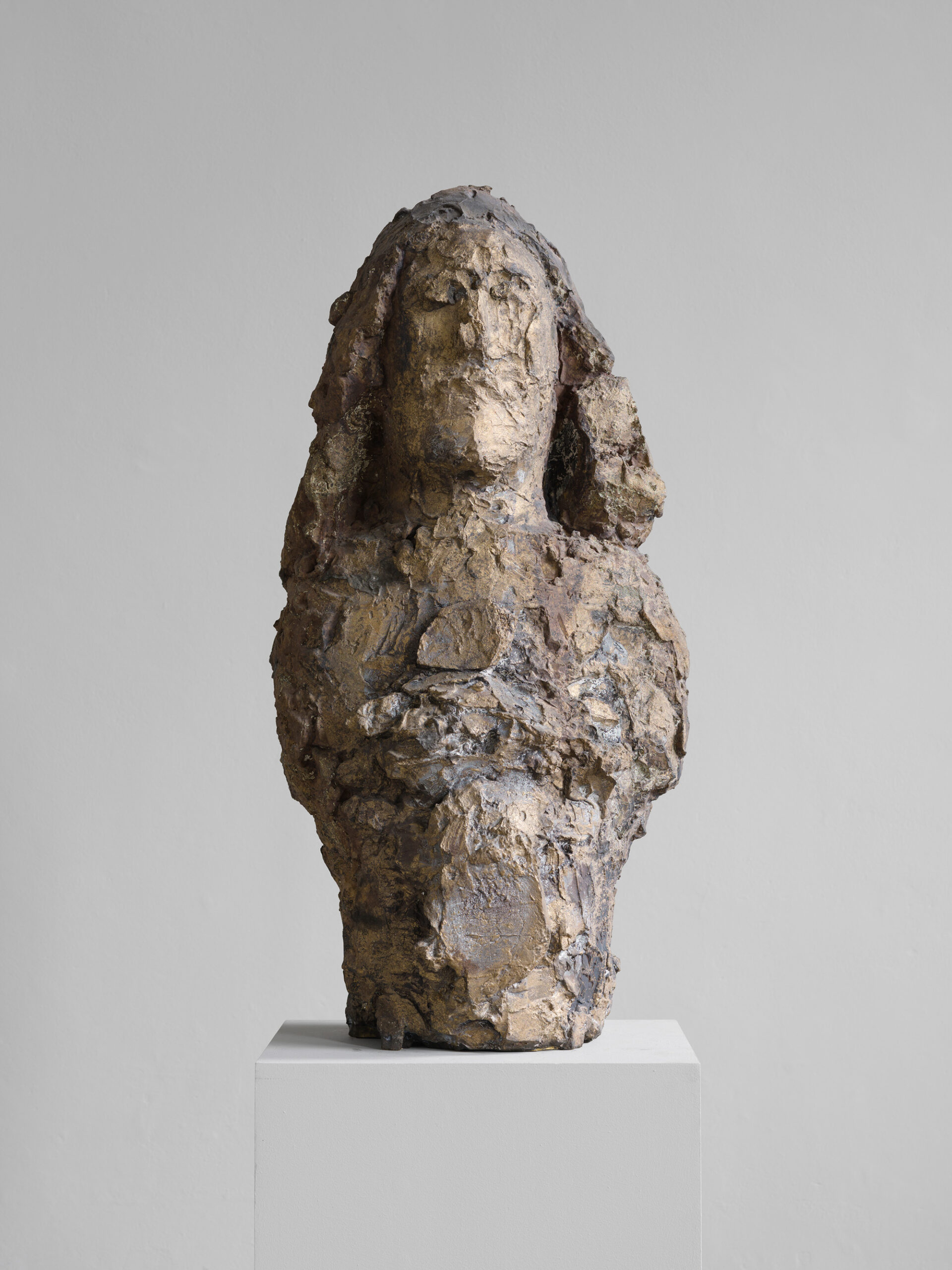
It also includes both historical works – by artists such as Gustave Fayet (1865-1925), who, as an artist and collector, contributed to Van Gogh’s growing renown, Hans Josephsohn (1920-2012), who made powerful sculptures, and hypographic agitator Isidore Isou (1925-2007) – and works by contemporary artists who have responded directly, creating works specifically for the exhibition – Jacopo Benassi (born 1970), Martin Boyce (born 1967), Gérard Collin-Thiébaut (born 1946), Simone Fattal (born 1942), and Louise Sartor (born 1988).
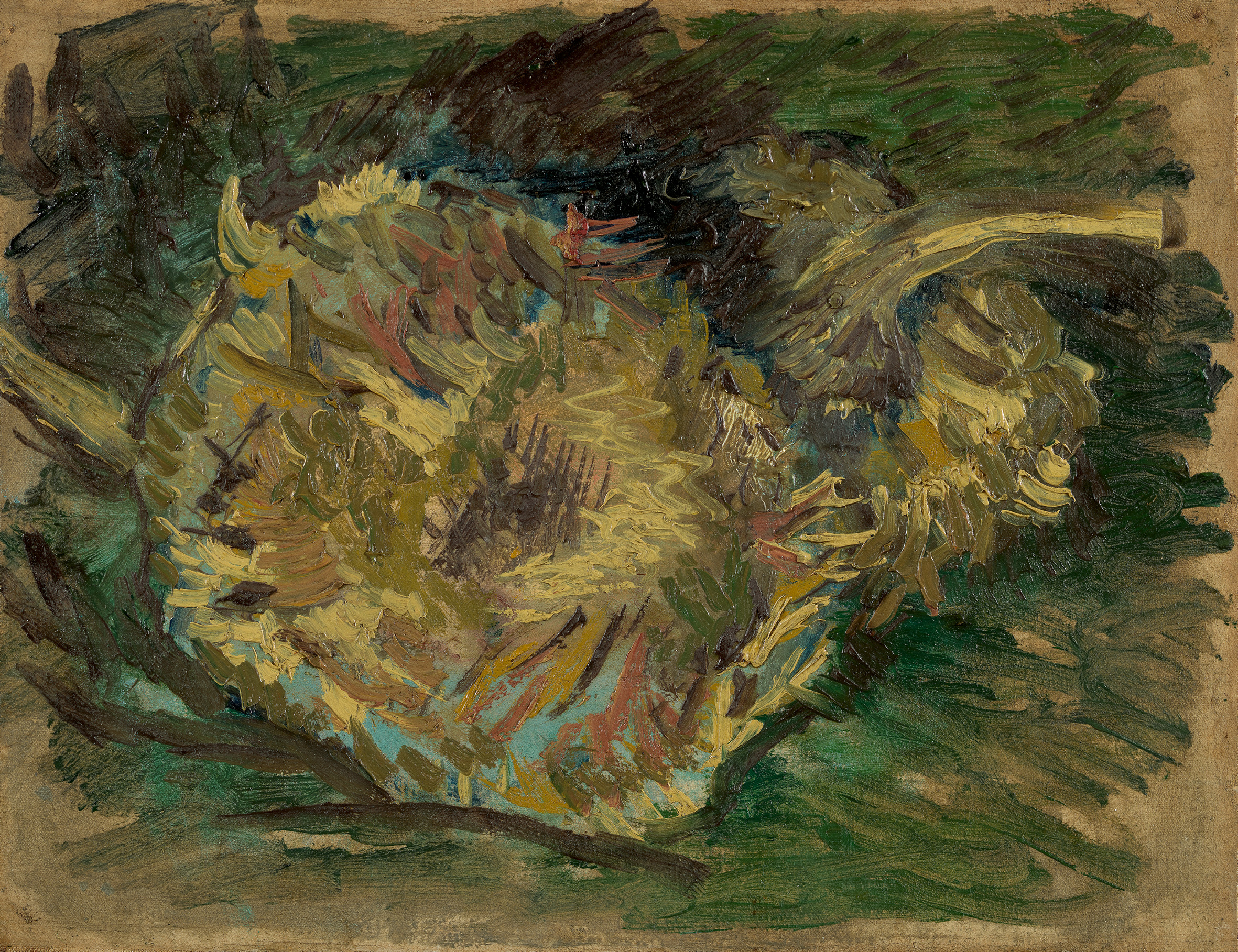
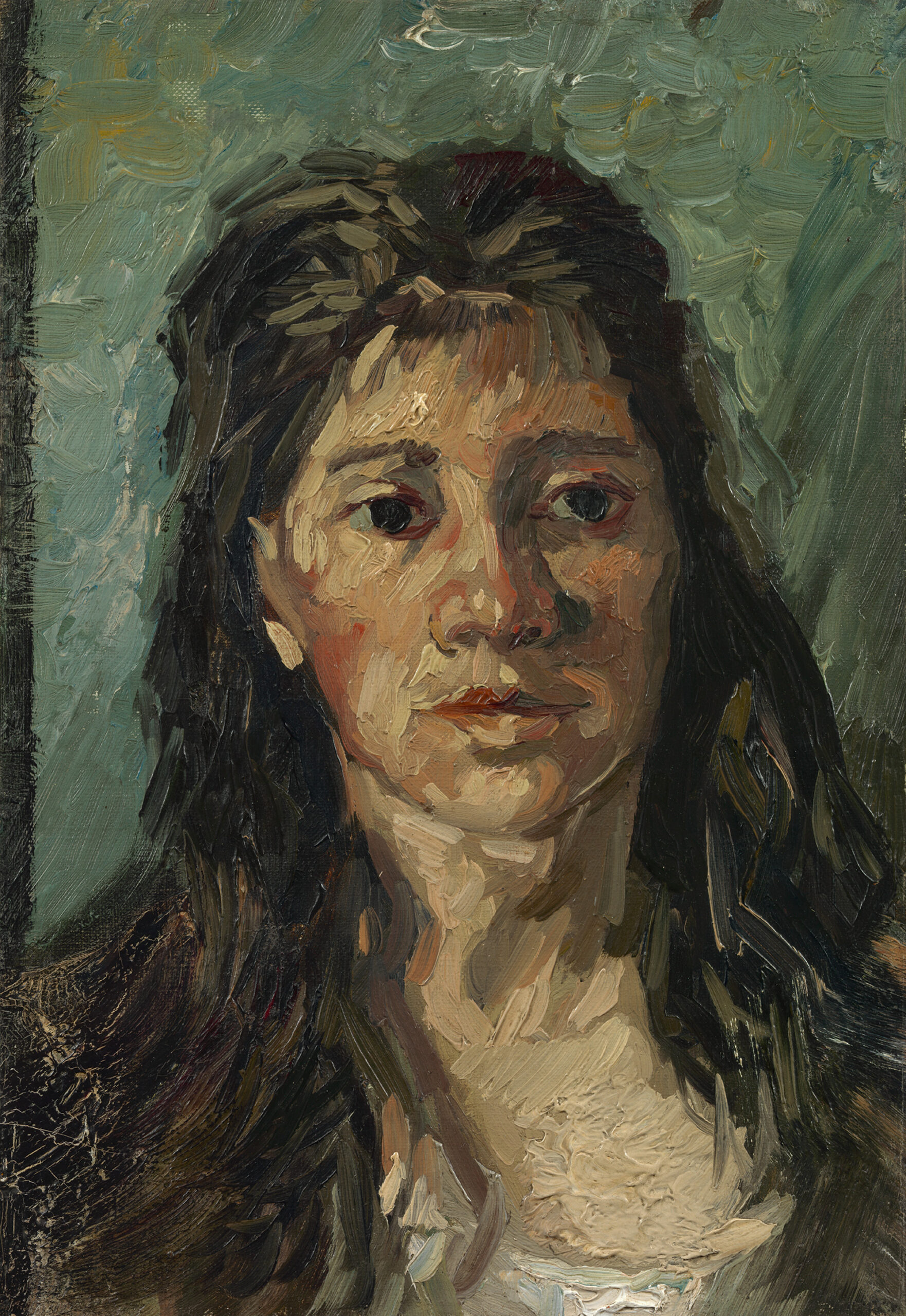
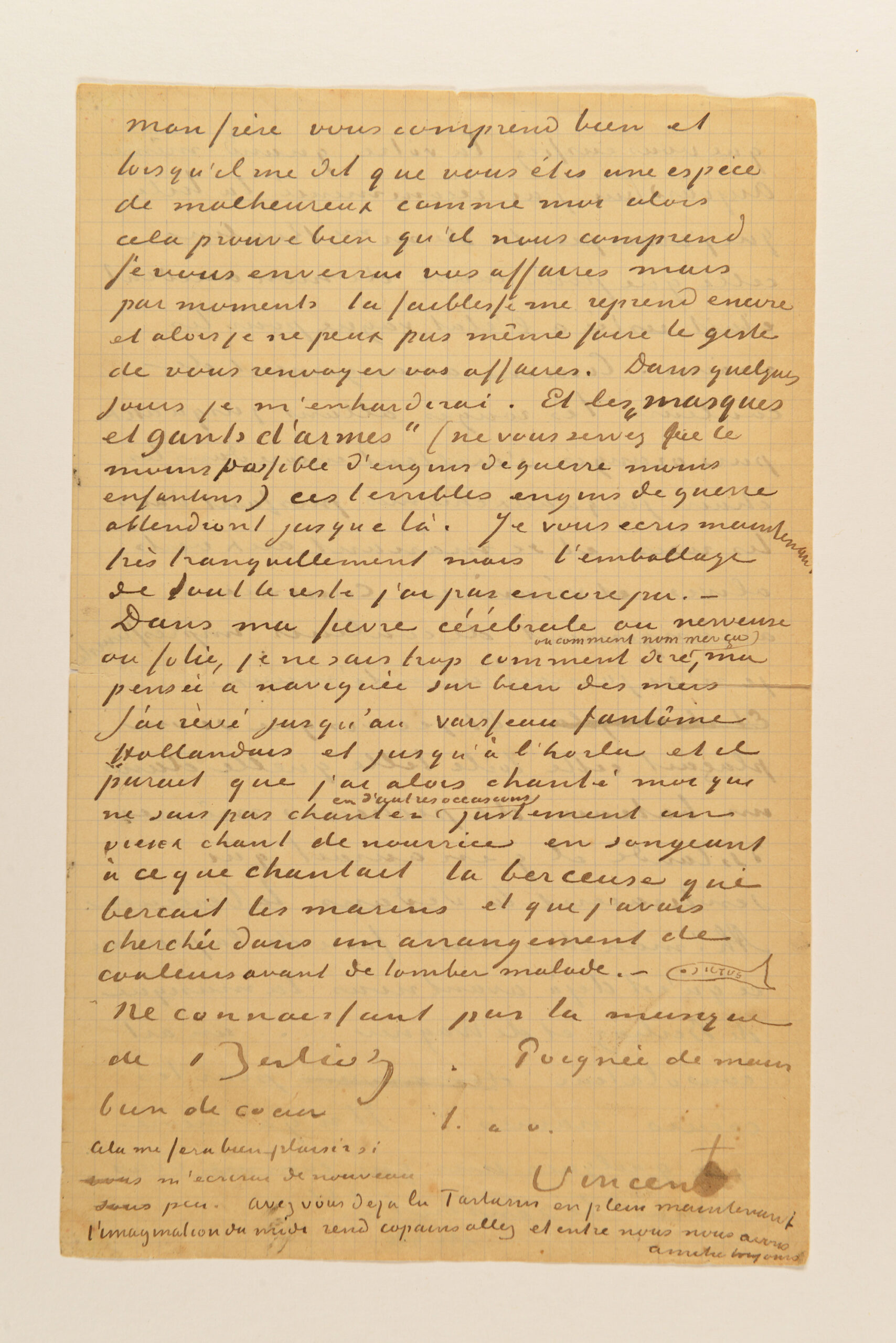
Two of Van Gogh’s paintings, on loan from the Van Gogh Museum in Amsterdam, an original letter addressed to Gauguin from the collection of the Musée Réattu in Arles, as well as several previous editions and examples of Van Gogh’s correspondence will also be presented, making the resonance with the work and life of Van Gogh all the more powerful.
An original catalogue published by the Fondation Vincent van Gogh Arles will trace the unique trajectory of this exhibition. It is organized around the major themes of Van Gogh’s correspondence and features two new letters addressed to him by contemporary writers Sylvain Prudhomme – who welcomes him to Provence – and Louise Chennevière – who bids him goodbye.
EVENTS AROUND THE EXHIBITION (in French)
Download the Programme (in French) :
Programme autour de l’exposition : événements et activités
À propos de la correspondance de Vincent van Gogh
Vincent van Gogh est l’auteur d’une correspondance remarquable, indissociable de sa création picturale.
L’ensemble des 820 lettres connues à ce jour couvre dix-huit ans de sa vie – la plus ancienne lettre datant de 1872, alors qu’il est âgé de 19 ans, tandis que la dernière a été écrite quelques jours avant sa mort le 29 juillet 1890 – et livre le récit de sa trajectoire tourmentée. La lecture de cette correspondance nous permet de partager ses enthousiasmes et déboires professionnels, ses admirations artistiques et littéraires, ses amitiés ainsi que sa passion, qui le conduisit à cette vie d’artiste dont son frère Theo fut le soutien indéfectible.
Une grande partie de ces lettres, écrites pour la plupart en néerlandais mais aussi en français et en anglais, fut sauvegardée par sa famille et quelques proches pour leurs qualités exceptionnelles. La plupart sont conservées aujourd’hui par le musée Van Gogh d’Amsterdam.
Parmi les lettres de la main du peintre, plus de 650 s’adressent à Theo. C’est Jo van Gogh-Bonger, épouse de Theo et mère de leur enfant Vincent Willem, qui consacrera une partie de sa vie à éditer les lettres de son beau-frère. Peu de temps après le décès de son mari en 1891, six mois après celui de Vincent, elle écrit dans son journal intime: « À coté de mon enfant,
[Theo] m’a laissé une autre tâche – l’œuvre de Vincent – pour la rendre visible et la faire apprécier autant que possible ; garder intacts tous les trésors que Theo et Vincent ont amassés pour l’enfant – cela aussi, c’est mon travail. » Elle ajoute : « Maintenant, je vais commencer à travailler sur les lettres […] avant l’été?.»
Les premiers fragments de cette correspondance à être publiés apparaissent dans le catalogue d’une exposition consacrée au peintre à Amsterdam, dès fin 1892. L’année suivante Gabriel-Albert Aurier, critique d’art et l’un des premiers admirateurs de Van Gogh, commence à faire paraître dans la revue Mercure de France certaines des lettres rassemblées par l’artiste Émile Bernard. En 1893 également, des extraits de treize lettres sont publiés dans le magazine d’avant-garde belge Van Nu en Straks par Henry van de Velde.
En 1911, le marchand d’art et éditeur Ambroise Vollard publie sous forme de livre l’intégralité des lettres de Van Gogh à Émile Bernard, qui réalise lui-même la page de garde du recueil. Ce dernier, dont un exemplaire est présenté ici, contient une longue préface et quatre articles rédigés par Bernard en plus des lettres, dont le contenu a été en partie expurgé.
En 1914 paraît le premier grand recueil, lacunaire, des lettres à Theo, en trois volumes édités par Jo van Gogh-Bonger. L’éditeur Bruno Cassirer, puis son cousin marchand d’art Paul Cassirer publient quant à eux en allemand, entre 1904 et 1914, la correspondance de Van Gogh adressée notamment à son frère – offrant au public une traduction qui servira de base à de nombreuses autres, notamment vers le japonais dès 1911. En 1994, le musée Van Gogh d’Amsterdam entreprend un travail analytique exhaustif sur toutes les lettres retrouvées et leurs réponses, publiant enfin en six volumes – soit plus de 2000 pages-l’intégralité de la correspondance. Celle-ci est également dorénavant entièrement disponible sur Internet, en langue originale et en anglais.
Aujourd’hui, de nombreux recueils et traductions des lettres de l’artiste ont été publiés, la correspondance de Van Gogh ayant gagné en célébrité jusqu’à inspirer artistes, cinéastes, romanciers et romancières autant que ses toiles et dessins.
1. Journal de Jo van Gogh-Bonger, 15 novembre 1891.
Archives familiales, Van Gogh Museum (Vincent van Gogh Foundation), Amsterdam.
2. Ibid., 24 février 1892. Envoyé de mon iPhone