



HARVESTS
The Imaginary Museum Is the Mind of the Artists
The exhibition draws inspiration from the vast collection of more than 5,000 images and books assembled by Vincent van Gogh throughout his life. This collection, a kind of “Imaginary Museum,” echoes the concept formulated by André Malraux.
Bringing together Van Gogh, the writer and art theorist André Malraux, and the filmmaker Jean-Luc Godard, alongside installations by 11 contemporary artists, HARVESTS explores the ways in which artists gather, classify, preserve and transform the images, references and memories that nourish their work.
Featuring works by: Dennis Adams, Jean-Michel Alberola, Tolia Astakhishvili & Dylan Peirce, Patrick van Caeckenbergh, Ryan Gander, Jean-Luc Godard, André Malraux, Matt Mullican, Kevin Osepa, Fiona Tan, Tatiana Trouvé, Gaspar Willmann and Vincent van Gogh.
As artist-in-residence at the Fondation, Kevin Osepa has conceived an installation bringing together a selection from Van Gogh’s collection, two of his original paintings and his own work, centred on the theme of resurrection and the continual transformation of works from one artist to another.
Labelled “Exhibition of national interest” and receiving exceptional support from the French State – Ministry of Culture, the exhibition HARVESTS is presented as part of the André Malraux 50th Anniversary 2026–2027.

The display of Kevin Osepa’s installation is supported by the Mondriaan Fonds.

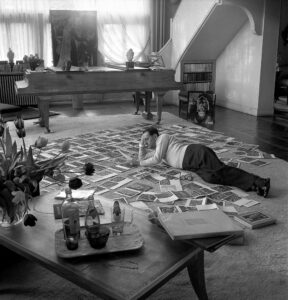
André Malraux (1954)
Photo publiée dans Paris Match, N°273, 19 juin 1954
© MAURICE JARNOUX/PARIS MATCH/SCOOP
VAN GOGH’S IMAGINARY MUSEUM
The exhibition HARVESTS is inspired by Vincent van Gogh’s collection of images and books, comprising more than five thousand items and now held by the Van Gogh Museum in Amsterdam. Rare editions and cheap copies, etchings and images clipped from newspapers, paintings and prints acquired with his brother, as well as books on art, poetry and literature in several languages: together they constituted a kind of “Imaginary Museum” whose riches he would constantly mine and comment on at length in his letters.
Van Gogh’s taste for artistic images developed early, even before he decided to become an artist, during the four years in which he worked for Goupil & Cie. in The Hague, London and Paris. This major art dealership and producer of reproductions gave him access to an extraordinary abundance of images and artistic information.
His correspondence reveals how important the work of other artists was to his thinking. In more than eight hundred surviving letters, Van Gogh reflected frequently and enthusiastically on the art of others and on his many sources of inspiration, from Dutch old masters such as Rembrandt to nineteenth-century predecessors including Millet, Delacroix and Daumier, and contemporaries such as Monet and Gauguin. His letters mention more than 1,100 works by a wide range of artists: paintings and drawings seen at exhibitions, museums, galleries and artists’ studios, works he had heard or read about, prints he collected and illustrations he clipped from magazines.
Van Gogh collected whatever he could afford, mostly prints, including magazine illustrations and hundreds of Japanese colour woodcuts. He also owned works by artist friends, often trading them for his own. Together with the memory of what he had seen in museums and at exhibitions, these formed the storehouse of images from which he continued to draw inspiration. His remarkable visual memory allowed him to picture a painting in detail even years after he had seen it.
In his studio at the clinic in Saint-Rémy-de-Provence, this relationship with the art he admired took a directly pictorial form. Van Gogh began a series of painted copies of lithographs and etchings after works by Delacroix, Rembrandt and Millet. These were not simply copies: he wanted to add something to the works of his beloved predecessors, particularly through colour, comparing his translation of black-and-white prints into colour to a musician interpreting a piece of music.
ANDRÉ MALRAUX: THE IMAGINARY MUSEUM
Before he was a writer, director and resistance fighter, André Malraux was a treasure-hunter seeking out rare books. From a young age, he developed his knowledge independently in museums and cinemas and through classes at the École du Louvre. His curious eye and erudition allowed him to pair texts and images and to publish limited-edition illustrated works. Malraux arranged, reconfigured, selected and combined: his primary relationship with artworks was that of an arranger of images.
This practice of editing also ran through his work as a filmmaker and found a major extension in The Imaginary Museum, published in 1947. For Malraux, photography profoundly transformed our access to artworks, allowing them to be brought together beyond their original contexts. In his writings on art, images were arranged with great intentionality: their order, juxtaposition, inversion and varied placement across the double-page spread all played an integral part in the construction of his thought.
The Imaginary Museum can thus be understood as a visual system in which the comparison of images creates new relationships between works. Through reproduction, displacement and juxtaposition, the works themselves are transformed: comparing images turns them into something else, producing a reformulation, a metamorphosis.
This conception remained central to Malraux’s thinking, culminating in the assertion he made in Picasso’s Mask in 1974: “The final Imaginary Museum is the mind of the artists.”
JEAN-LUC GODARD: A MUSEUM OF CINEMA
With Histoire(s) du cinéma (1988–1998), Jean-Luc Godard brings together film fragments and subjects them to new juxtapositions. Extracted from linear timelines, these images are edited and re-purposed according to a logic that eschews narrative or chronology. Through this process, they are changed and transformed.
This approach directly echoes André Malraux’s thinking. In The Voices of Silence, Malraux describes the museum as a place that detaches a work from the profane world and brings it into proximity with opposing and competing works, thereby orchestrating a comparison of transformations. Godard proceeds in a comparable way with cinema: he selects frames, shots and sequences, comparing and contrasting them.
Where photographic reproduction made Malraux’s history of art and his Imaginary Museum possible, Godard uses video as the reproductive authority for cinema. Between them, Henri Langlois acts as a connecting figure. At the Cinémathèque française, he too brought films together, compared and contrasted them through programming: the medium for his imaginary cinematographic museum was not a book, but a screen.
With Histoire(s) du cinéma, Godard takes this logic further, developing an original museum that takes the form of a videographic work. Editing becomes a means of bringing images together, comparing them and transforming them through their encounter.
Image gallery
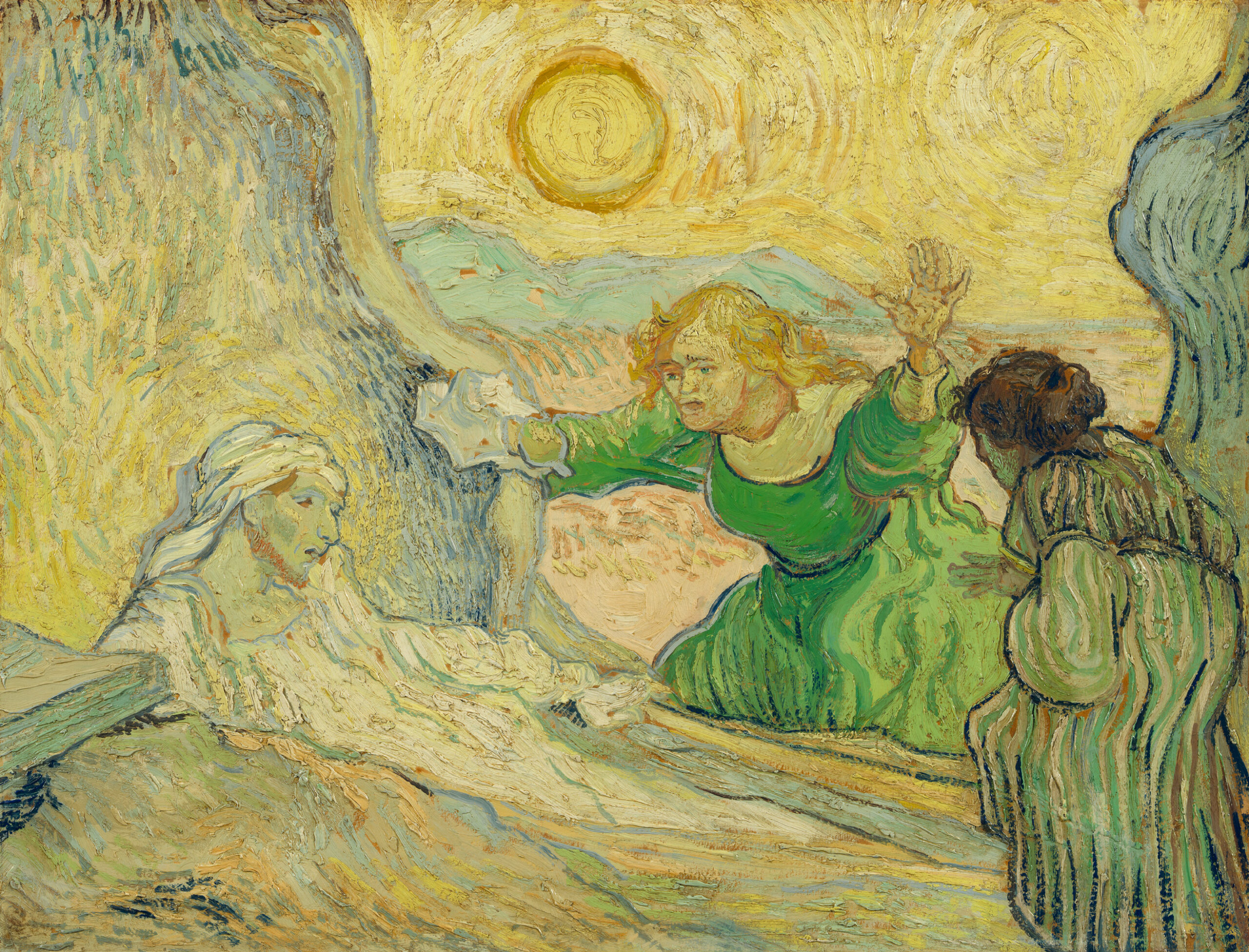
Vincent van Gogh The Raising of Lazarus (after Rembrandt), Saint-Rémy-de-Provence, May 1890 Oil on paper, 50 × 65,5 cm Van Gogh Museum, Amsterdam (Vincent van Gogh Foundation)
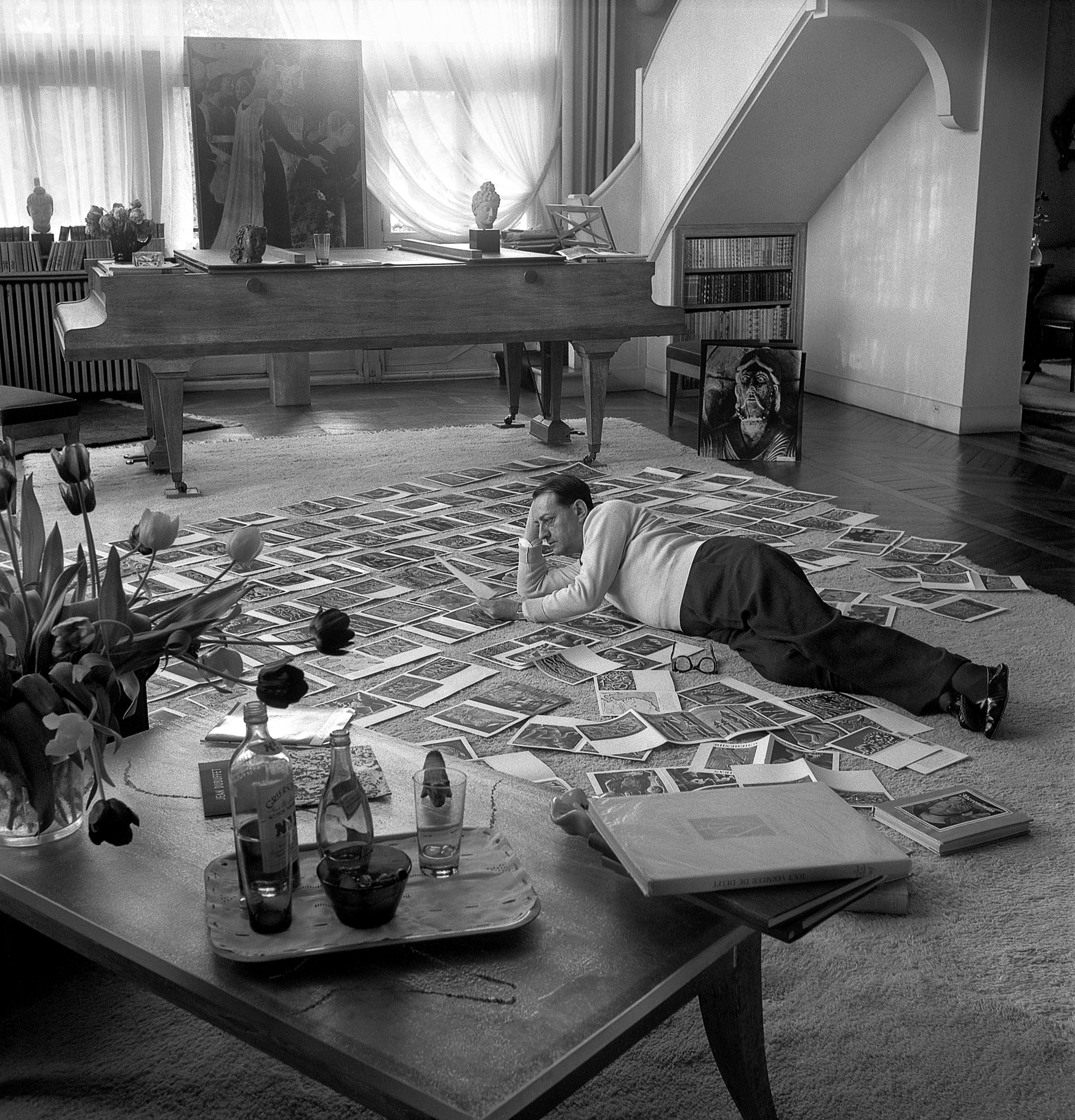
André Malraux (1954) Photograph published in Paris Match, N°273, 19 June 1954 (detail) © MAURICE JARNOUX/PARIS MATCH/SCOOP © MAURICE JARNOUX/PARIS MATCH/SCOOP
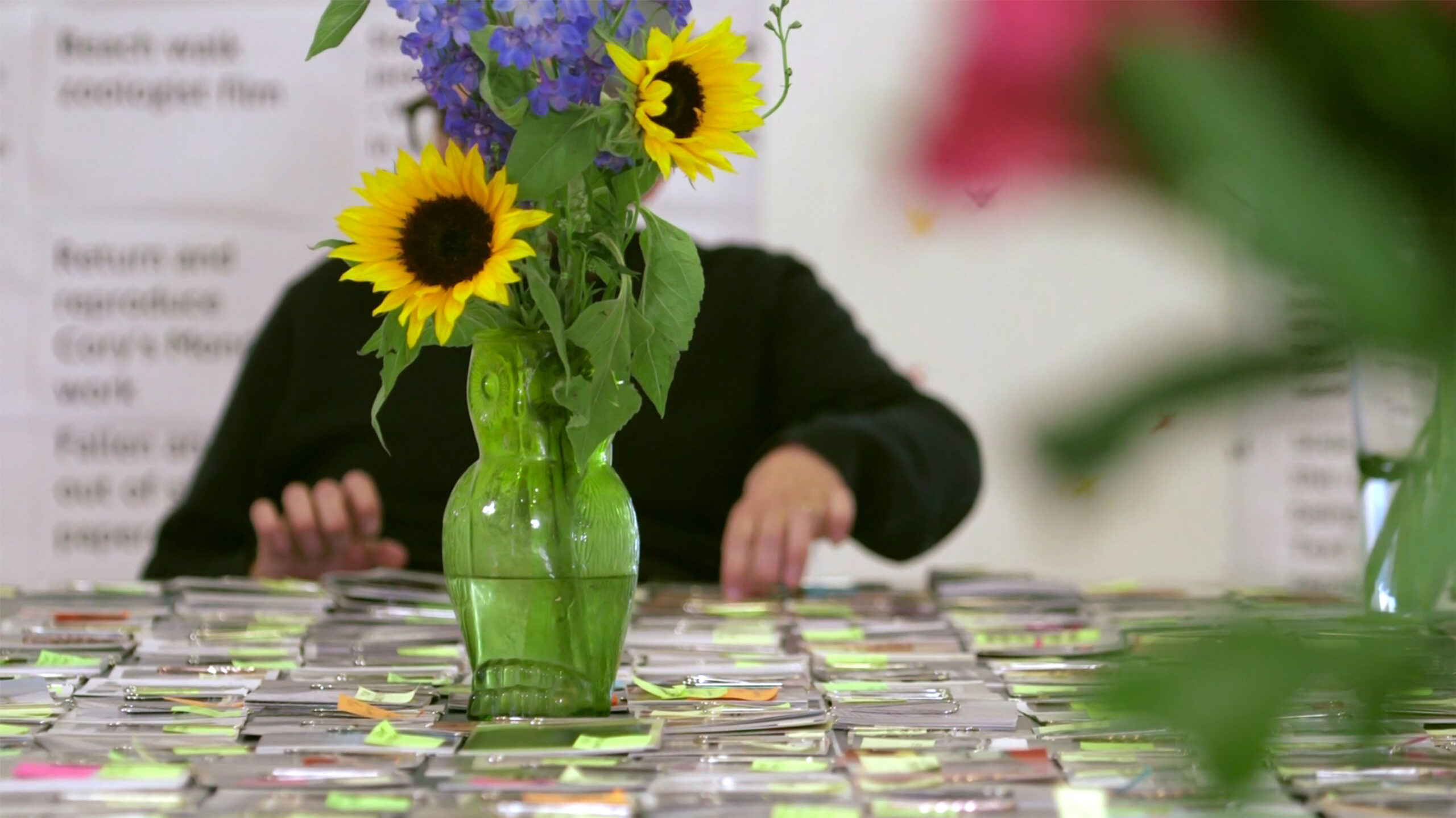
Ryan Gander Portrait of a colour blind artist obscured by flowers, 2016 HD video (colour, stereo sound), duration: 13 min 09 s © Ryan Gander / ADAGP, Paris, 2026 Courtesy: the artist and Esther Schipper, Berlin ; stills courtesy of Ryan Gander Studio
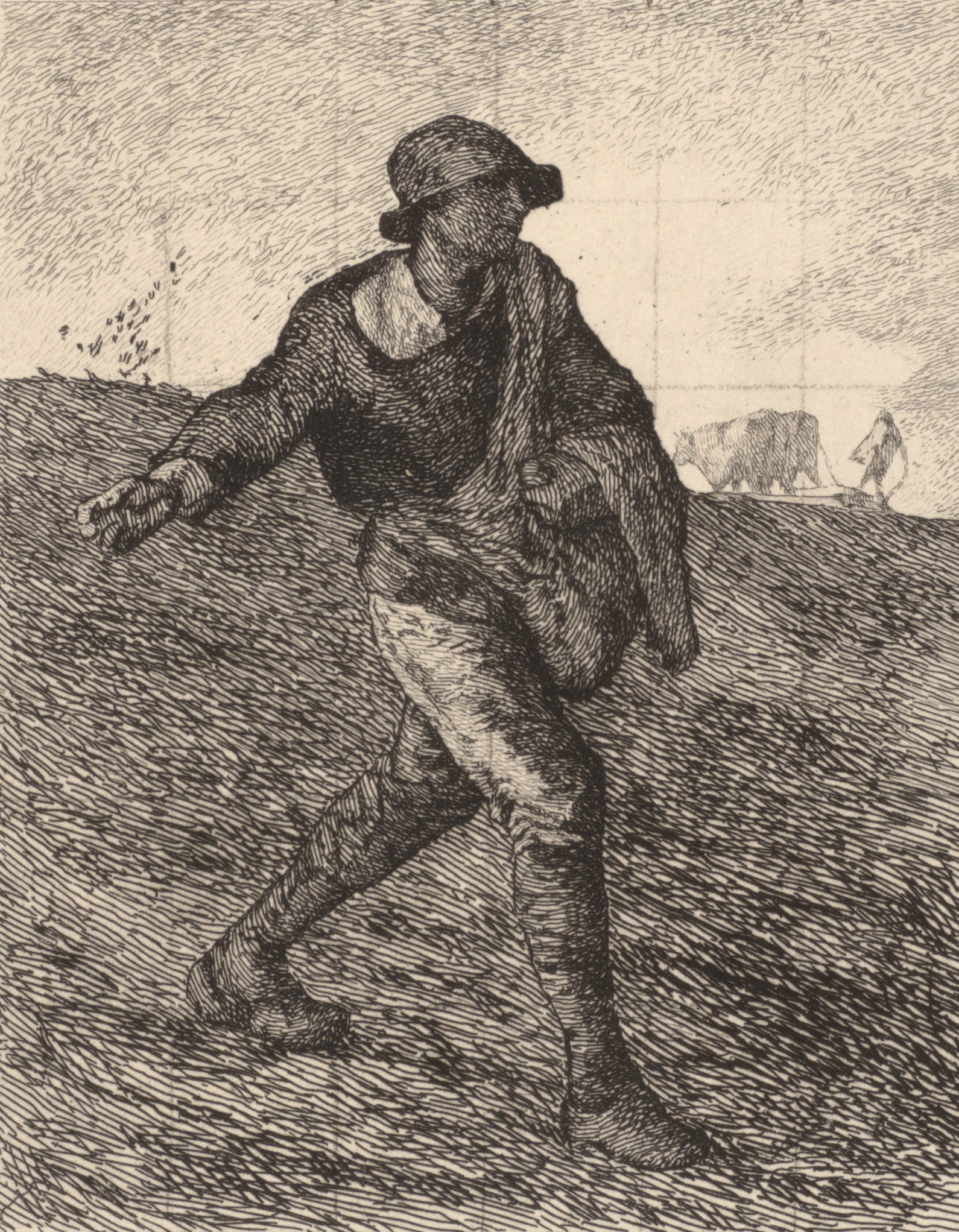
Jean-François Millet, 1814-1875. The Sower, engraved by Paul Le Rat, 1873. Etching and pencil on paper, with squaring drawn by Vincent van Gogh, 44.9 x 31.2 cm
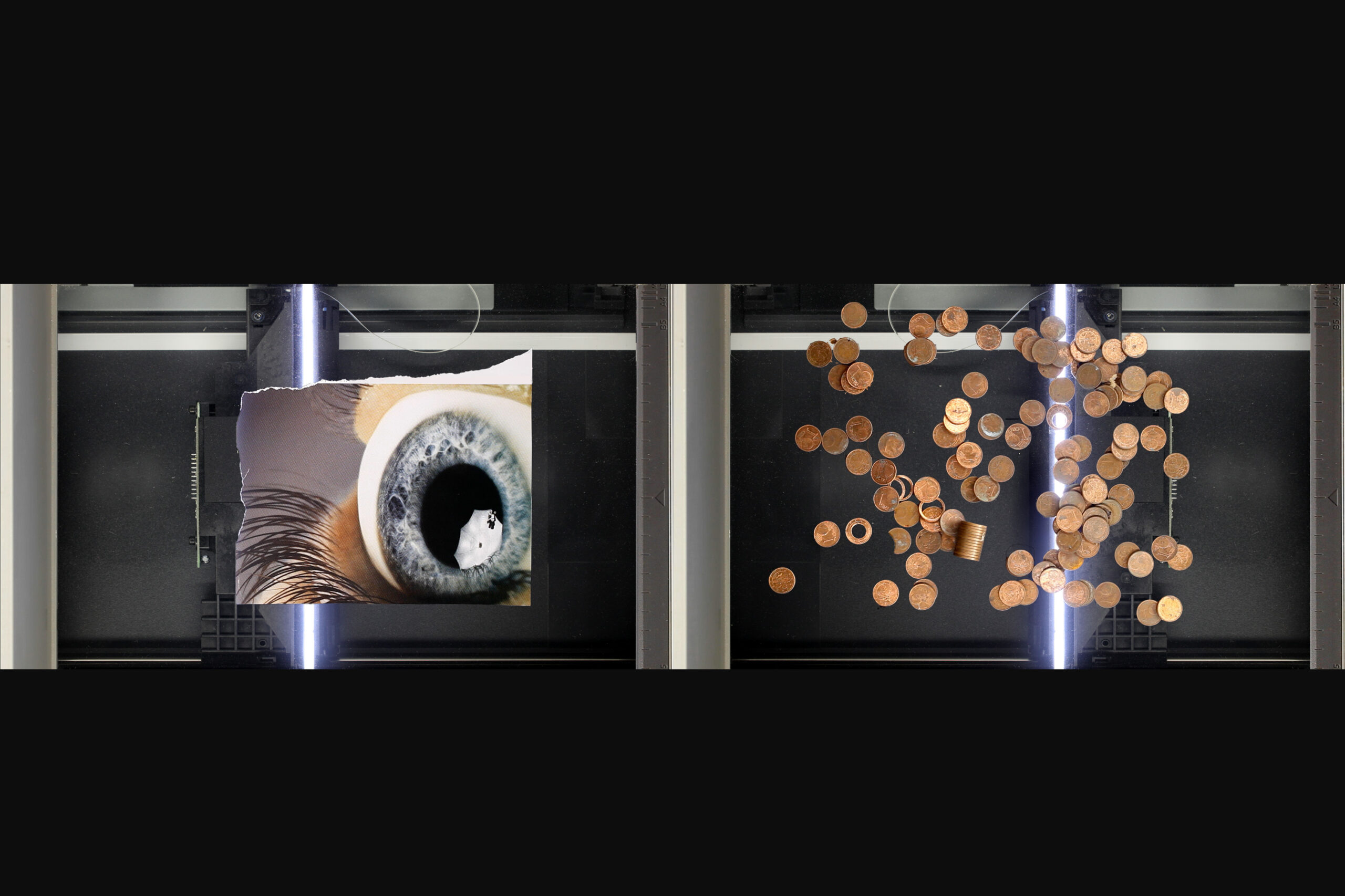
Tolia Astakhishvili and Dylan Peirce So many things I’d like to tell you, 2020-2025 Two-channel high-definition video (colour, sound), 48 min Fonds pour le XXIe siècle © 2026 Tolia Astakhishvili et Dylan Peirce Courtesy: the artists, LC Queisser and Emalin
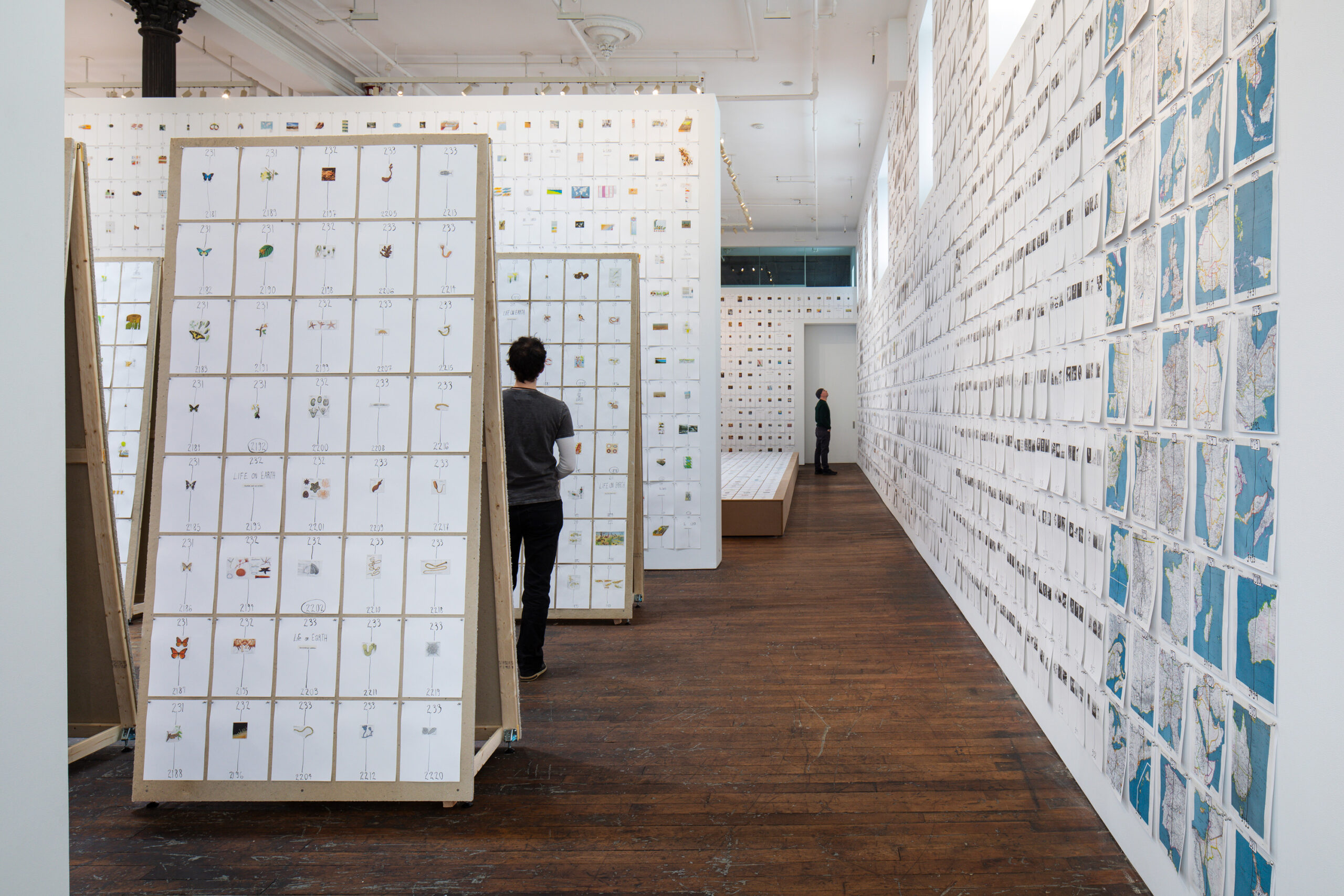
Matt Mullican The Universe, 2023-2025 9,519 ink collages on paper; 101 kraft envelopes in ink; 25 cardboard boxes in ink Courtesy of the artist and Peter Freeman, Inc., New York / Paris Photos: Nicholas Knight © Matt Mullican
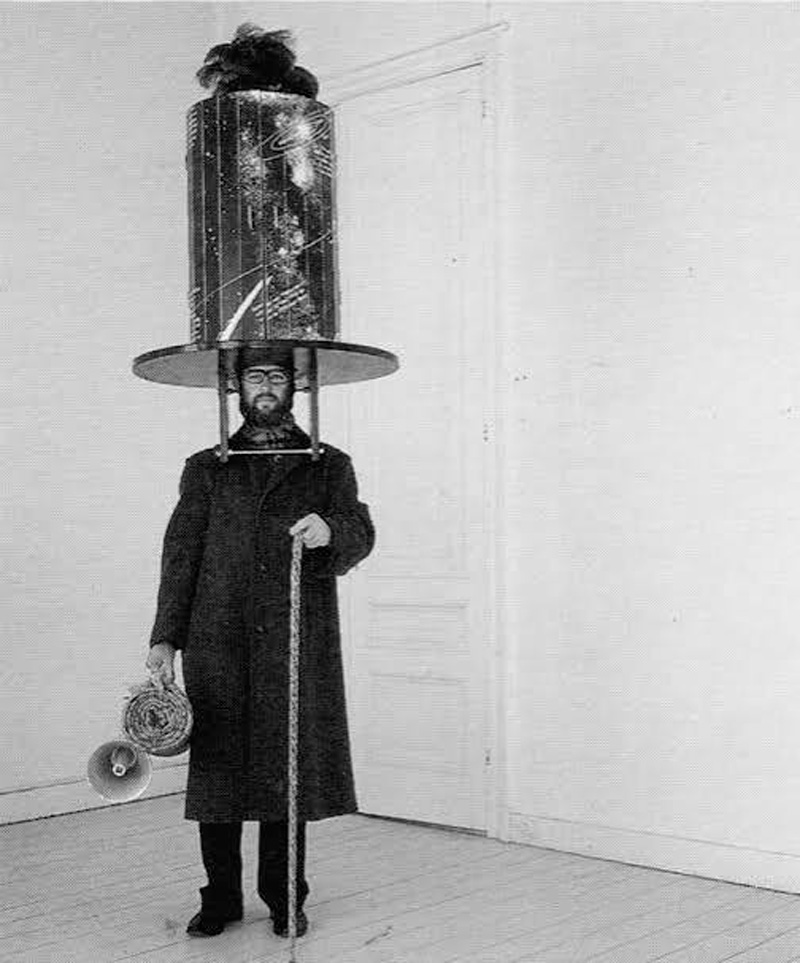
Patrick van Caeckenbergh, De Hoed (The Hat) [Chapeau!], 1988-1989 Mixed media, H. 130 cm ; Ø 80 cm ; Carpet : 240 × 170 cm ; Base : 300 × 230 × 40 cm Courtesy: Frank Demaegd © Patrick van Caeckenbergh / ADAGP, Paris, 2026
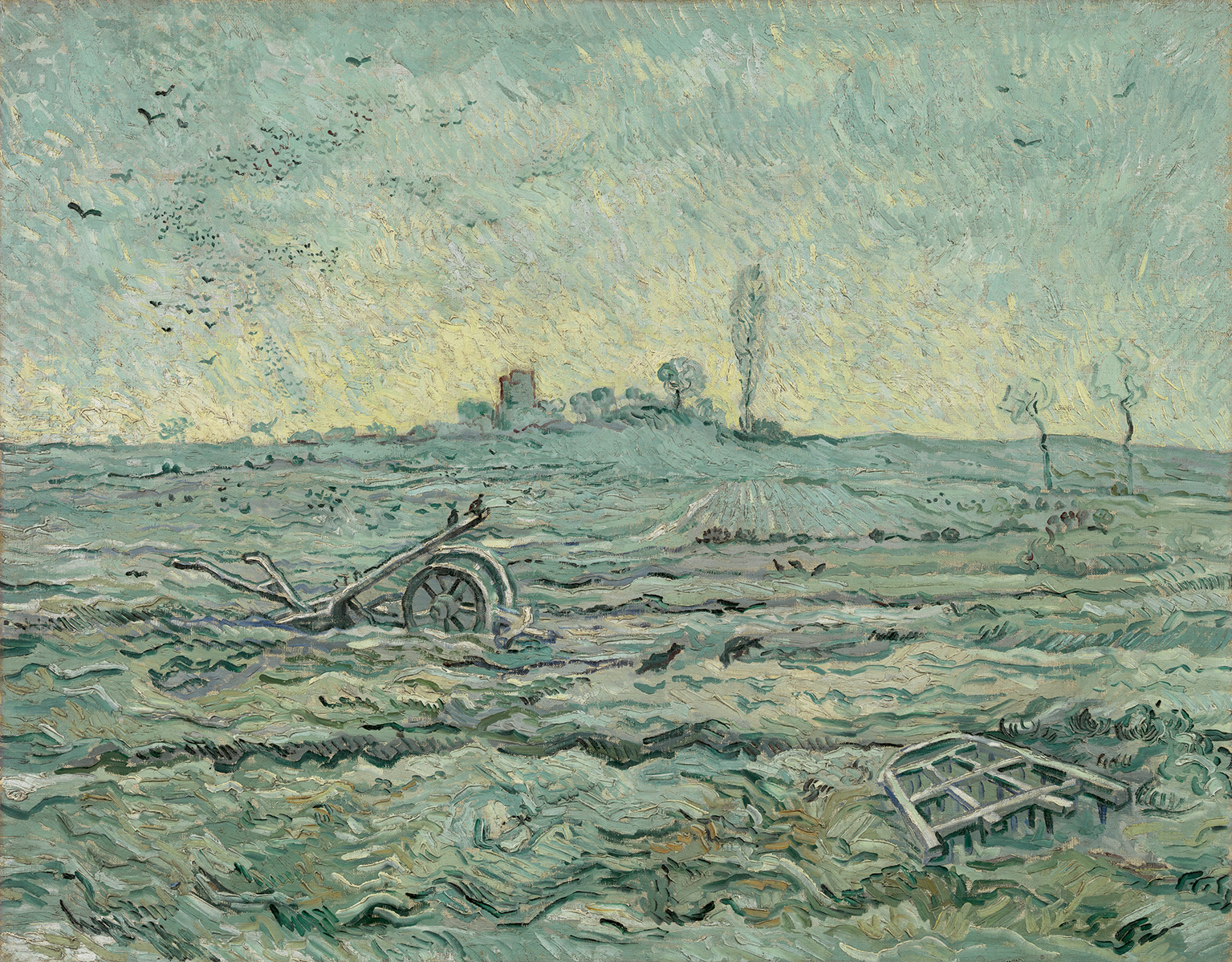
Vincent van Gogh Snow-Covered Field with a Harrow (after Millet), Saint-Rémy-de-Provence, January 1890 Oil on canvas, 72,1 × 92 cm Van Gogh Museum, Amsterdam (Vincent van Gogh Foundation)